Alipio Ramos Filmography
Writing9 FILMS IN DB
AR
AlipioRamos
Known for Writing · O Noivo da Girafa, Chico Fumaça, Quem Roubou Meu Samba?
9
FILMS IN DB
$0
TOTAL VALUE
1
PRICED
—
AVG VALUE
4K
BEST FORMAT
💎
RAREST RELEASE
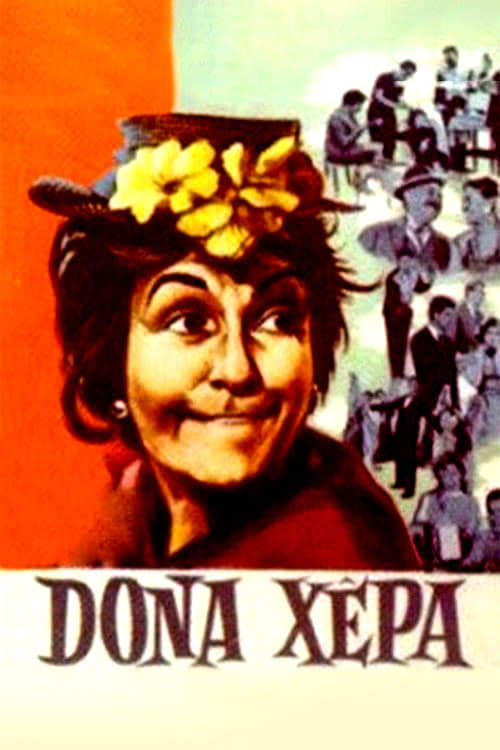
Dona Xêpa
~$0 · 4K · 1959
📈
MOST VALUABLE
Dona Xêpa
$0 · Est. market value
BIOGRAPHY
BORN
—
BIRTHPLACE
—
KNOWN FOR
Writing
TOTAL CREDITS
9 (TMDb)
IN WATCHROSTER DB
9 matched films
HIGHEST VALUE RELEASES
FILMS BY DECADE
FULL FILMOGRAPHY
9 filmsTITLE
YEAR
ROLE
FORMATS
RATING
VALUE
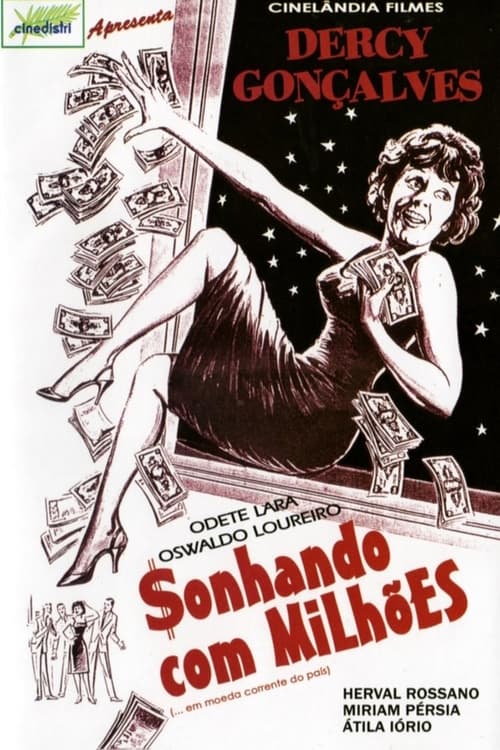
Sonhando com Milhões
1963
Producer
—
—
+ TRACK

Assassinato em Copacabana
1962
Producer
—
—
+ TRACK
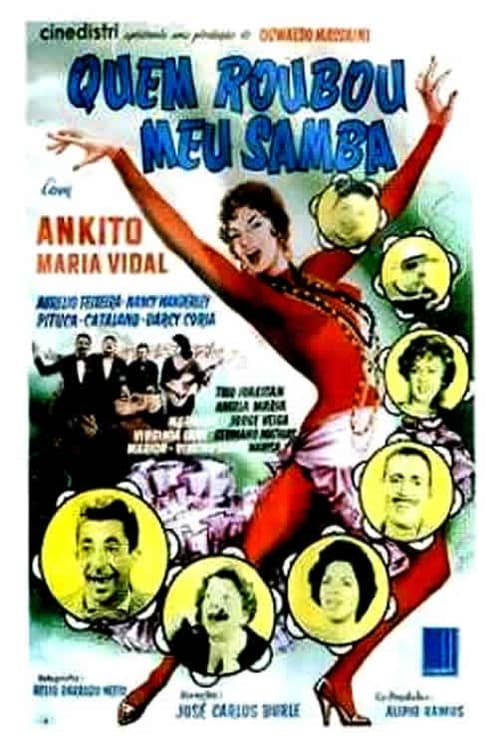
Quem Roubou Meu Samba?
1959
Producer
★ 5.2
—
+ TRACK
Dona Xêpa
1959
Writer
—
—
+ TRACK
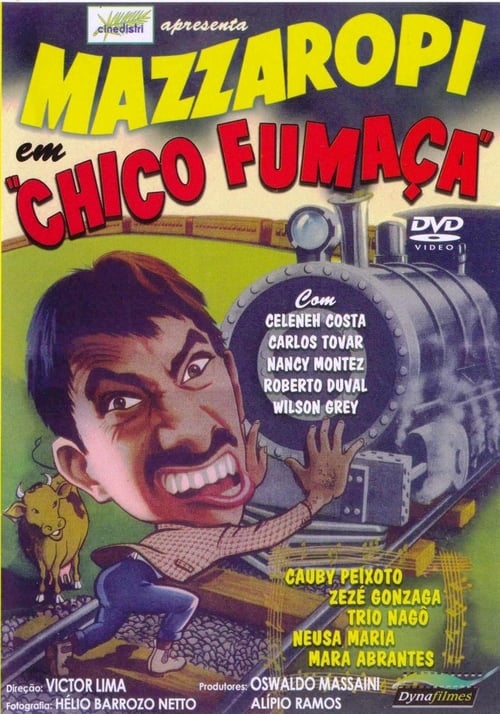
Chico Fumaça
1958
Writer
★ 7.0
—
+ TRACK
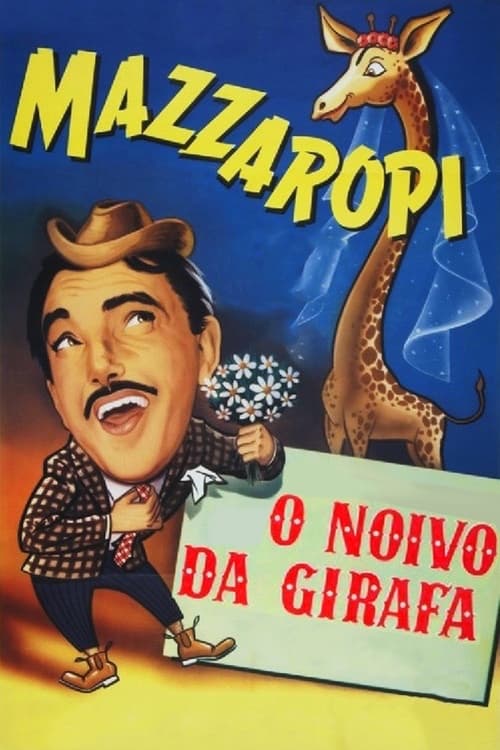
O Noivo da Girafa
1957
Producer
★ 7.3
—
+ TRACK
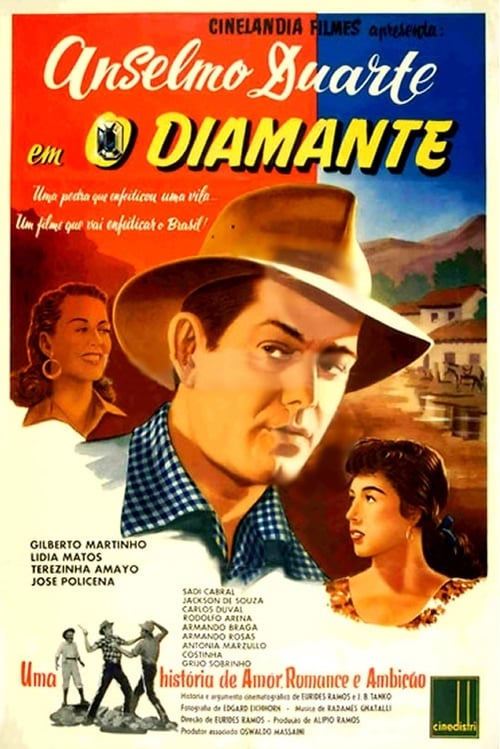
O Diamante
1955
Producer
★ 1.0
—
+ TRACK
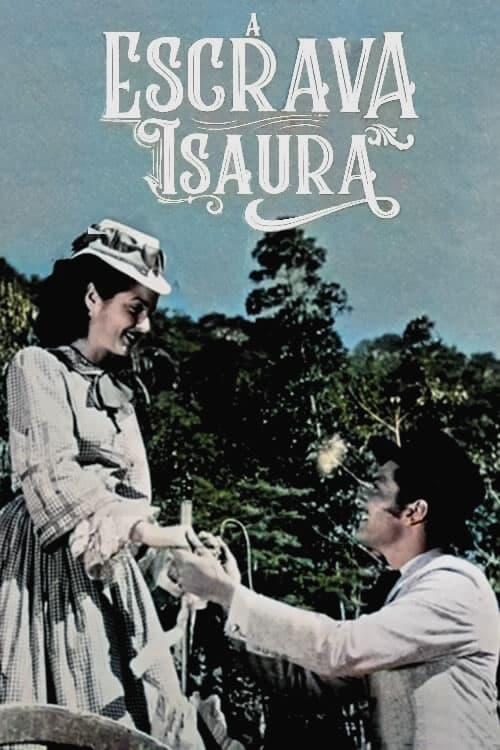
A Escrava Isaura
1949
Producer
—
—
+ TRACK
Querida Suzana
1947
Writer
—
—
+ TRACK
FAQ
Frequently Asked Questions
What is Alipio Ramos known for?
Alipio Ramos is known for his work as a writer.
What genres does Alipio Ramos's filmography span?
His filmography spans several genres including Comedy, Drama, Crime, Adventure, Music, and Romance.
What era or decades does Alipio Ramos's work cover?
Alipio Ramos's work covers the years from 1947 to 1963, with his most active decade being the 1950s.
How extensive is Alipio Ramos's filmography?
He has worked on a total of 9 films.
What are some notable films written by Alipio Ramos?
Some notable films include Quem Roubou Meu Samba? (1959), O Diamante (1955), and Assassinato em Copacabana (1962).
YOUR COLLECTION
Sign in to see your collection status for this actor.