Bernhard Grzimek Filmography
DirectingBORN 1909NYSA5 FILMS IN DB
BG
BernhardGrzimek
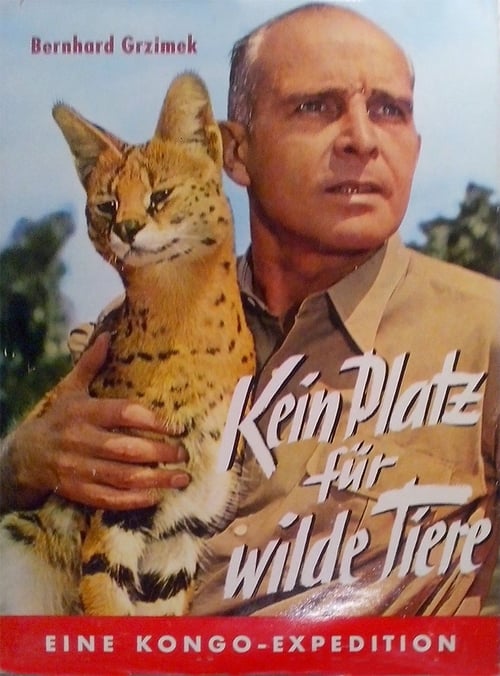
Known for Directing · No Place for Wild Animals
5
FILMS IN DB
$0
TOTAL VALUE
0
PRICED
—
AVG VALUE
—
BEST FORMAT
BIOGRAPHY
BORN
April 24, 1909
BIRTHPLACE
Nysa, Poland
KNOWN FOR
Directing
TOTAL CREDITS
8 (TMDb)
IN WATCHROSTER DB
5 matched films
FILMS BY DECADE
FULL FILMOGRAPHY
5 filmsTITLE
YEAR
ROLE
FORMATS
RATING
VALUE
FAQ
Frequently Asked Questions
What is Bernhard Grzimek known for?
Bernhard Grzimek is known for directing documentary films.
What genres does Bernhard Grzimek's filmography span?
His filmography spans the documentary genre.
What era does Bernhard Grzimek's work cover?
His work covers the years from 1954 to 1958, with his most active decade being the 1950s.
How many films are in Bernhard Grzimek's filmography?
Bernhard Grzimek has a total of 5 films in his filmography.
What are some notable films directed by Bernhard Grzimek?
Some notable films directed by Bernhard Grzimek include Schwalben am Spieß (1958), No Place for Wild Animals (1956), Auf Nilpferdpfaden (1955), Gast der Bambuti (1954), and Ein Fabeltier fliegt nach Deutschland (1955).
KNOWN FOR
YOUR COLLECTION
Sign in to see your collection status for this actor.