Claude Mauriac Filmography
WritingBORN 1914PARIS2 FILMS IN DB
CM
ClaudeMauriac
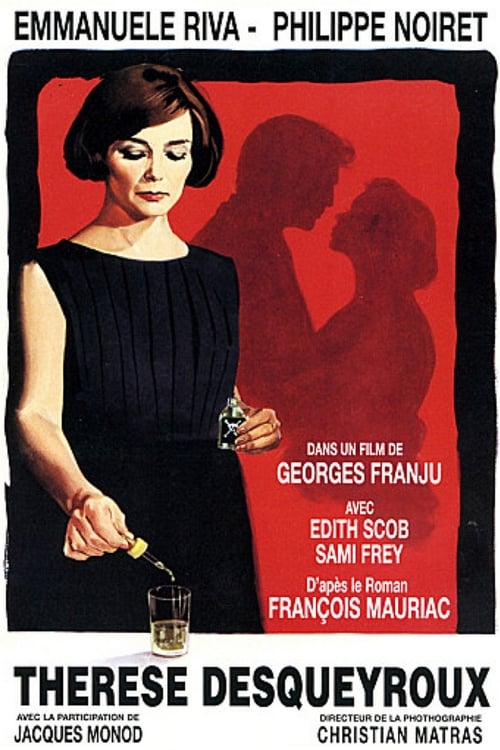
Known for Writing · Therese, L'Envie
2
FILMS IN DB
$10
TOTAL VALUE
1
PRICED
$10
AVG VALUE
4K
BEST FORMAT
💎
RAREST RELEASE
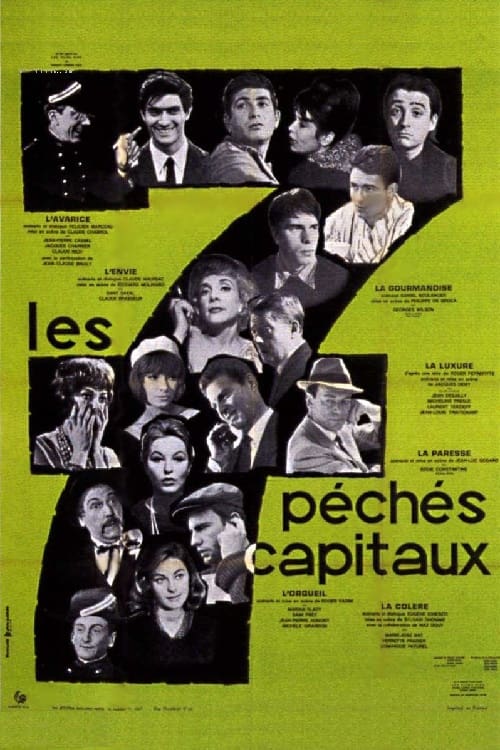
L'Envie
~$10 · 4K · 1962
📈
MOST VALUABLE
L'Envie
$10 · Est. market value
BIOGRAPHY
BORN
April 25, 1914
BIRTHPLACE
Paris, France
KNOWN FOR
Writing
TOTAL CREDITS
2 (TMDb)
IN WATCHROSTER DB
2 matched films
HIGHEST VALUE RELEASES
FILMS BY DECADE
FULL FILMOGRAPHY
2 filmsTITLE
YEAR
ROLE
FORMATS
RATING
VALUE
YOUR COLLECTION
Sign in to see your collection status for this actor.