Gyula Mészáros Filmography
DirectingBORN 1928ÚJPEST9 FILMS IN DB
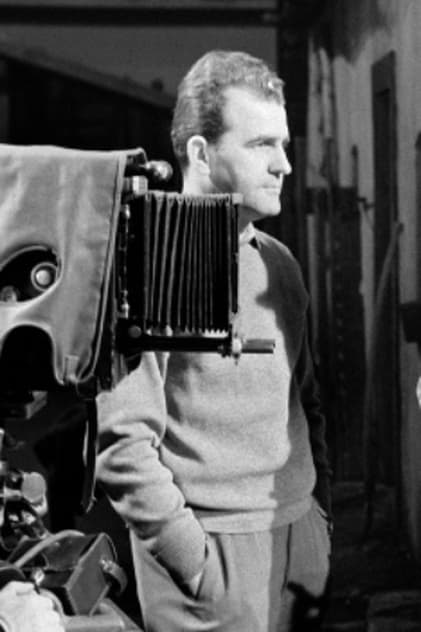
GyulaMészáros
Known for Directing · Palkó Csinom
9
FILMS IN DB
$15
TOTAL VALUE
5
PRICED
$3
AVG VALUE
4K
BEST FORMAT
💎
RAREST RELEASE
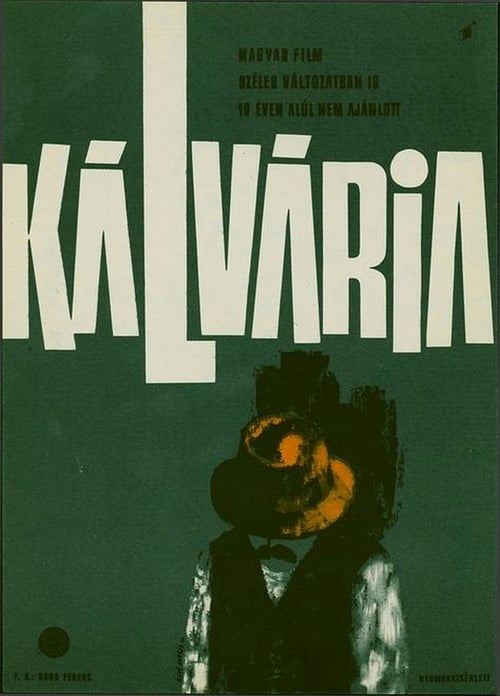
Calvary
~$15 · 4K · 1960
📈
MOST VALUABLE
A holtak nem beszélnek
$0 · Est. market value
BIOGRAPHY
BORN
March 10, 1928
BIRTHPLACE
Újpest, Hungary [now in Budapest, Hungary]
KNOWN FOR
Directing
TOTAL CREDITS
9 (TMDb)
IN WATCHROSTER DB
9 matched films
HIGHEST VALUE RELEASES

FILMS BY DECADE
FULL FILMOGRAPHY
9 filmsTITLE
YEAR
ROLE
FORMATS
RATING
VALUE
A holtak nem beszélnek
1980
Director
—
—
+ TRACK
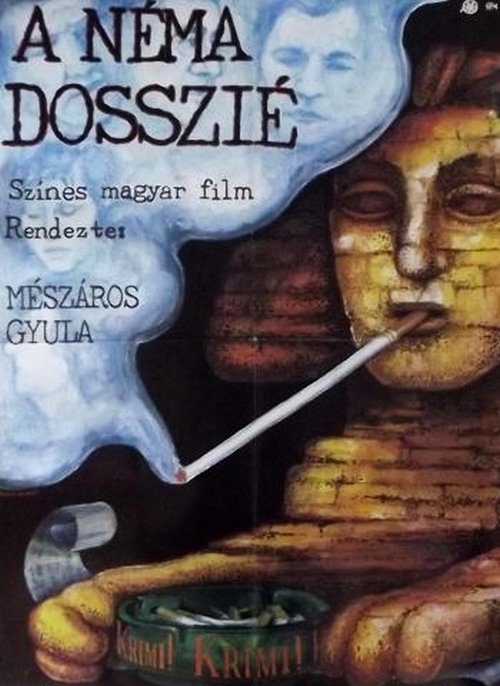
The Silent File
1978
Director
—
—
+ TRACK
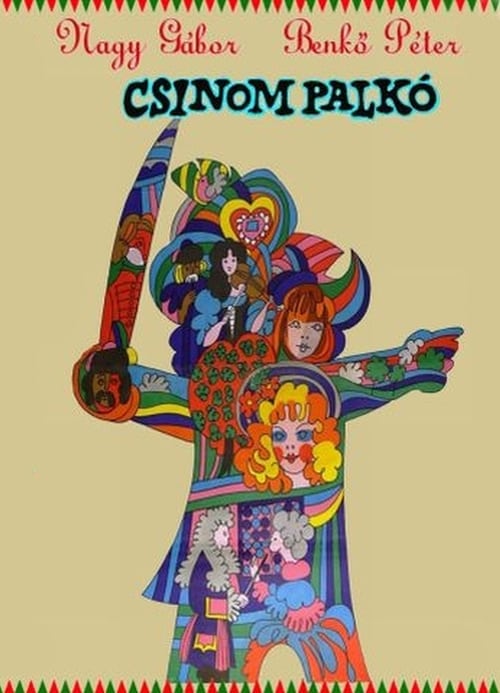
Palkó Csinom
1973
Director
★ 7.2
—
+ TRACK
Az elsö esztendö
1966
Director
—
—
+ TRACK

Two Kids and the Pyramids
1962
Director
—
—
+ TRACK
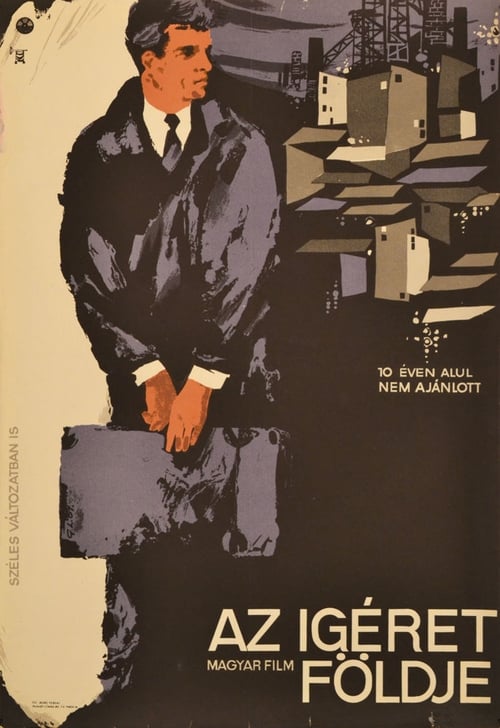
The Land of Promise
1961
Director
—
—
+ TRACK
Calvary
1960
Director
—
$15
+ TRACK
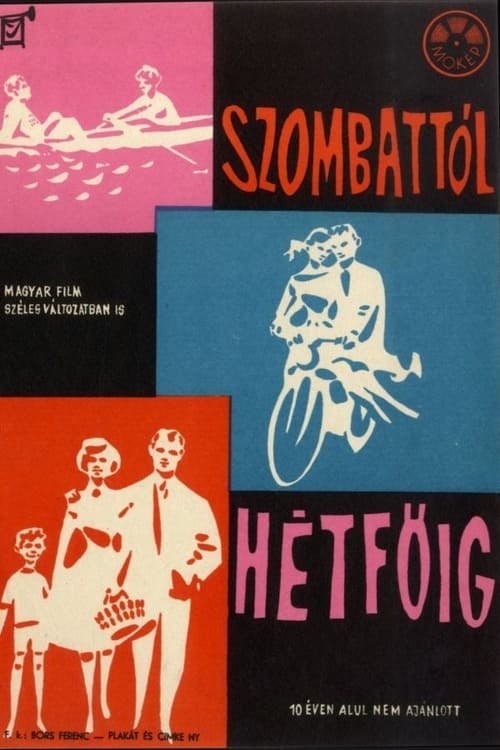
Szombattól hétföig
1959
Director
—
—
+ TRACK
We Took Over the Cause of Peace
1950
Writer
—
—
+ TRACK
FAQ
Frequently Asked Questions
What is Gyula Mészáros known for?
Gyula Mészáros is known for directing films.
What genres does Gyula Mészáros's filmography span?
His filmography spans the genres of Drama, Crime, Adventure, Documentary, History, and Music.
What era does Gyula Mészáros's work cover?
His work covers the years from 1950 to 1980, with the most-active decade being the 1960s.
How many films are in Gyula Mészáros's filmography?
Gyula Mészáros has a total of 9 films listed in his filmography.
What are some notable films directed by Gyula Mészáros?
Some notable films directed by Gyula Mészáros include Calvary (1960), Szombattól hétföig (1959), Palkó Csinom (1973), The Silent File (1978), and We Took Over the Cause of Peace (1950).
KNOWN FOR
YOUR COLLECTION
Sign in to see your collection status for this actor.