Harold Holland Filmography
ActorBORN 1885ENGLAND9 FILMS IN DB
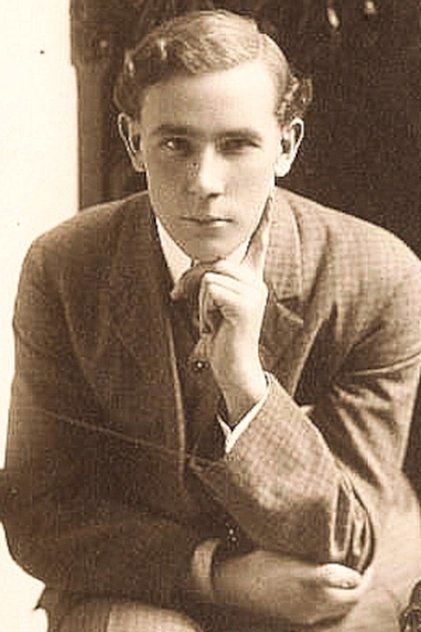
HaroldHolland
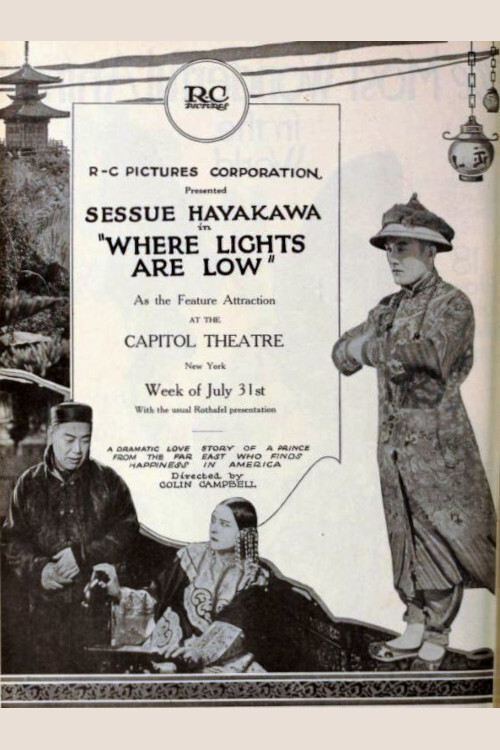
Known for Acting · Where Lights Are Low
9
FILMS IN DB
$20
TOTAL VALUE
5
PRICED
$4
AVG VALUE
DVD
BEST FORMAT
💎
RAREST RELEASE
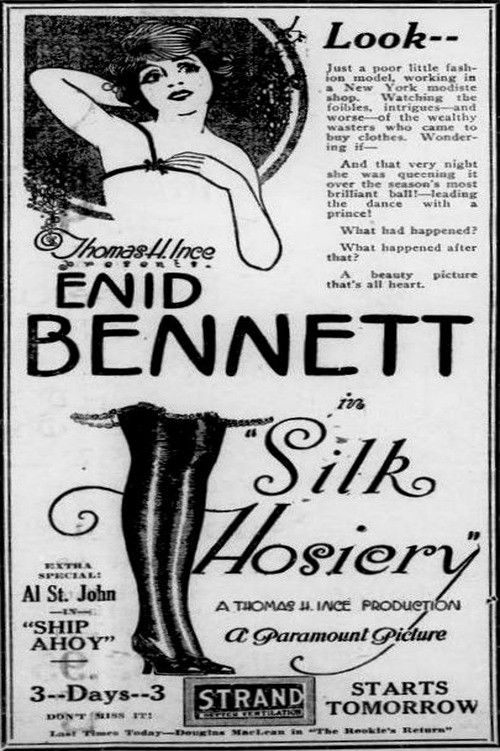
Silk Hosiery
~$20 · DVD · 1920
📈
MOST VALUABLE
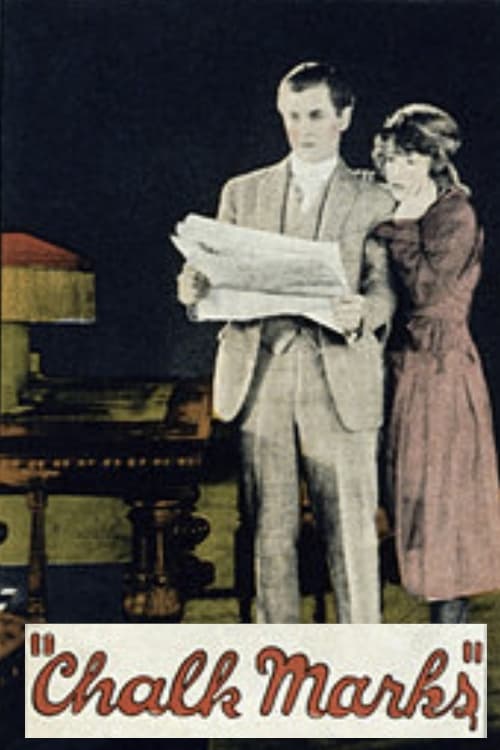
Chalk Marks
$0 · Est. market value
BIOGRAPHY
BORN
May 12, 1885
BIRTHPLACE
England, UK
KNOWN FOR
Acting
TOTAL CREDITS
9 (TMDb)
IN WATCHROSTER DB
9 matched films
HIGHEST VALUE RELEASES
FILMS BY DECADE
FULL FILMOGRAPHY
9 filmsTITLE
YEAR
ROLE
FORMATS
RATING
VALUE
Chalk Marks
Red Doran
1924
Supporting
—
—
+ TRACK
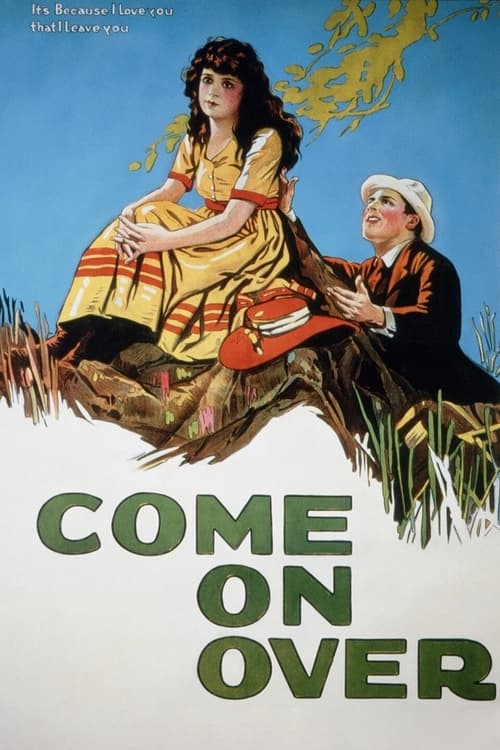
Come on Over
Myle Morahan
1922
Supporting
ALL
—
—
+ TRACK
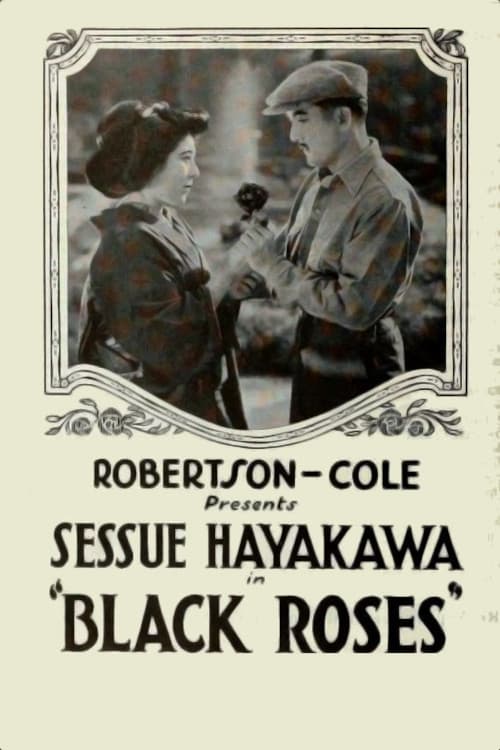
Black Roses
Detective Cleary
1921
Supporting
—
—
+ TRACK
Where Lights Are Low
Sergeant McConigle
1921
Supporting
★ 5.0
—
+ TRACK
Silk Hosiery
Jim Shanahan
1920
Supporting
—
$20
+ TRACK
Daughter Angele
Hans
1918
Supporting
—
—
+ TRACK
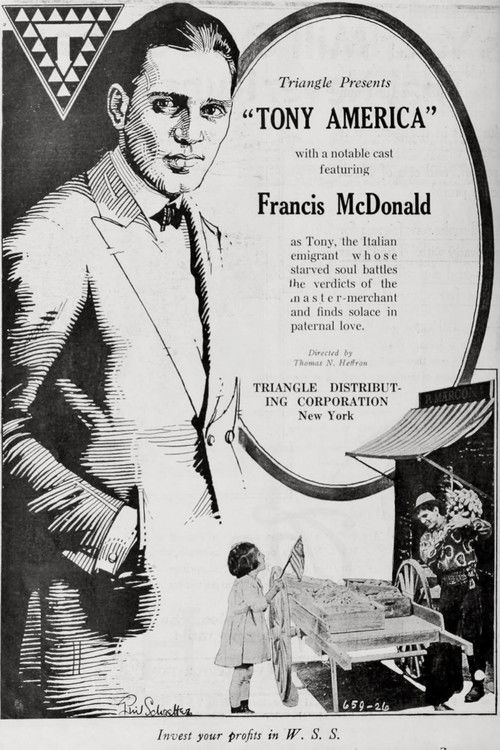
Tony America
Hans
1918
Supporting
—
—
+ TRACK
The Midnight Patrol
Officer Michael O'Shea
1918
Supporting
—
—
+ TRACK
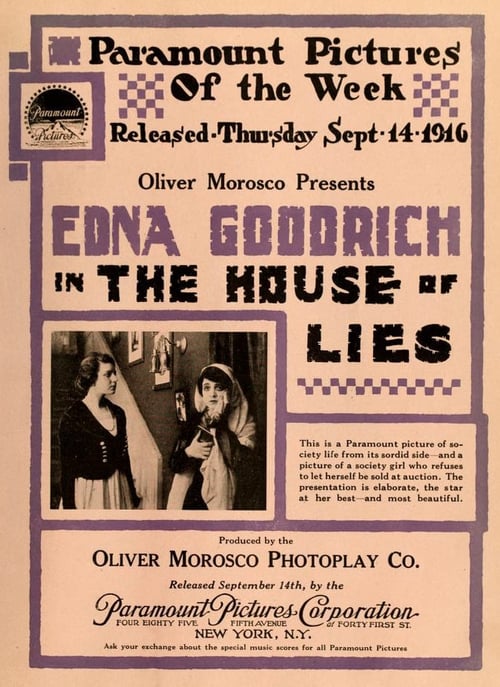
The House of Lies
Winthrop Haynes
1916
Lead
—
—
+ TRACK
FAQ
Frequently Asked Questions
What is Harold Holland known for?
Harold Holland is known for acting in films such as 'Daughter Angele' (1918) as Hans, 'Come on Over' (1922) as Myle Morahan, and 'Black Roses' (1921) as Detective Cleary.
What genres does Harold Holland's filmography span?
Harold Holland's filmography spans the genres of Drama, Comedy, and Crime.
What era does Harold Holland's work cover?
Harold Holland's work covers the years from 1916 to 1924, with the most-active decade being the 1920s.
How many films are in Harold Holland's filmography?
Harold Holland's filmography includes a total of 9 films.
What are some notable films in Harold Holland's filmography?
Some notable films in Harold Holland's filmography include 'Silk Hosiery' (1920), 'Where Lights Are Low' (1921), and 'Chalk Marks' (1924).
KNOWN FOR
YOUR COLLECTION
Sign in to see your collection status for this actor.