Hiroshi Imura Filmography
Actor7 FILMS IN DB
HI
HiroshiImura
Known for Acting · Modern Female Ninja: Flesh Hell, Gakusei-zuma
7
FILMS IN DB
$45
TOTAL VALUE
3
PRICED
$15
AVG VALUE
4K
BEST FORMAT
💎
RAREST RELEASE
In Labour
~$45 · ALL · 1968
📈
MOST VALUABLE
Modern Female Ninja: Flesh Hell
$0 · Est. market value
BIOGRAPHY
BORN
—
BIRTHPLACE
—
KNOWN FOR
Acting
TOTAL CREDITS
7 (TMDb)
IN WATCHROSTER DB
7 matched films
HIGHEST VALUE RELEASES
FILMS BY DECADE
FULL FILMOGRAPHY
7 filmsTITLE
YEAR
ROLE
FORMATS
RATING
VALUE

FAQ
Frequently Asked Questions
What is Hiroshi Imura known for?
Hiroshi Imura is known for acting in films such as Modern Female Ninja: Flesh Hell (1968), Onna ga mitasareru toki: Mashō tsuma (1969), and Trap (1966).
What genres does Hiroshi Imura's filmography span?
The genres of Hiroshi Imura's filmography include various genres represented by the films he has appeared in.
What era does Hiroshi Imura's work cover?
Hiroshi Imura's work spans from 1965 to 1969, with his most-active decade being the 1960s.
How many films are in Hiroshi Imura's filmography?
Hiroshi Imura has a total of 7 films listed in his filmography.
What are some notable films featuring Hiroshi Imura?
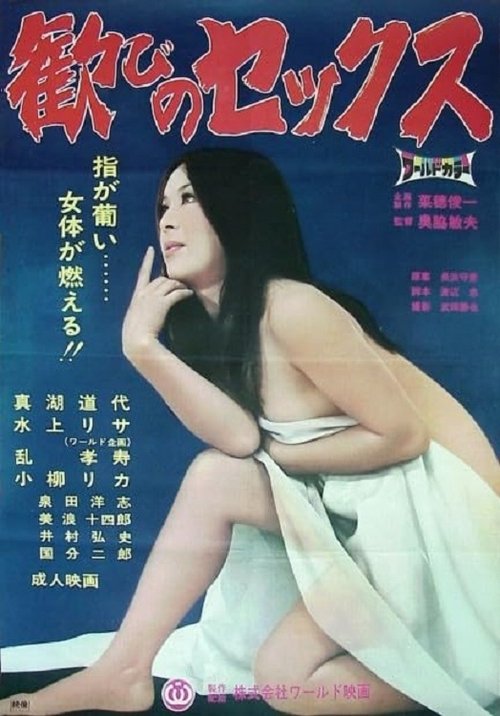
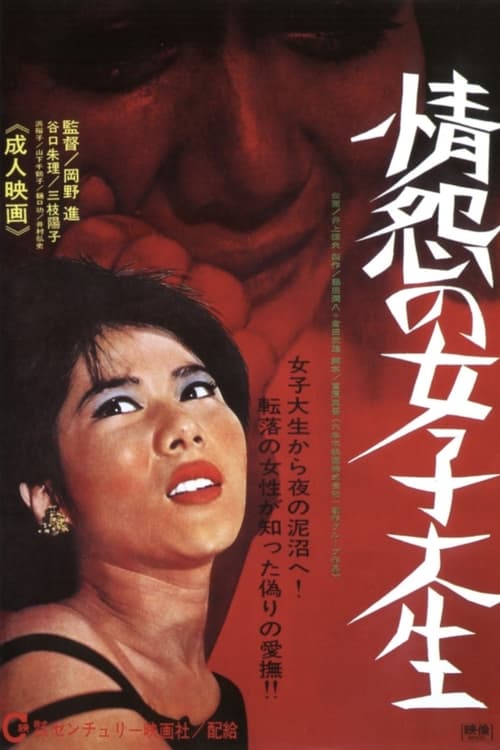
Notable films featuring Hiroshi Imura include Modern Female Ninja: Flesh Hell (1968), Yorokobi no sex (1968) where he plays Maki, and Careless Coed (1965) where he plays Yukichi Nakai.
YOUR COLLECTION
Sign in to see your collection status for this actor.