Hnat Yura Filmography
ActorBORN 1888PIDLISNE7 FILMS IN DB
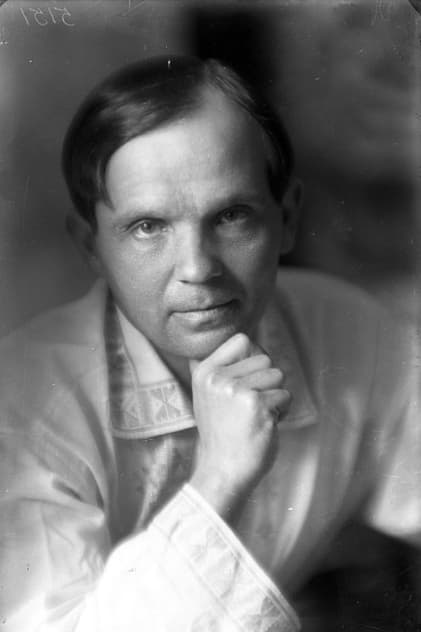
HnatYura
Known for Acting · Stolen Happiness, Prometey, Taras Shevchenko
7
FILMS IN DB
$0
TOTAL VALUE
0
PRICED
—
AVG VALUE
—
BEST FORMAT
BIOGRAPHY
BORN
January 8, 1888
BIRTHPLACE
Pidlisne, Kirovohradska Oblast, Ukraine
KNOWN FOR
Acting
TOTAL CREDITS
7 (TMDb)
IN WATCHROSTER DB
7 matched films
FILMS BY DECADE
FULL FILMOGRAPHY
7 filmsTITLE
YEAR
ROLE
FORMATS
RATING
VALUE

Svichka's Wedding
1962
Producer
—
—
+ TRACK
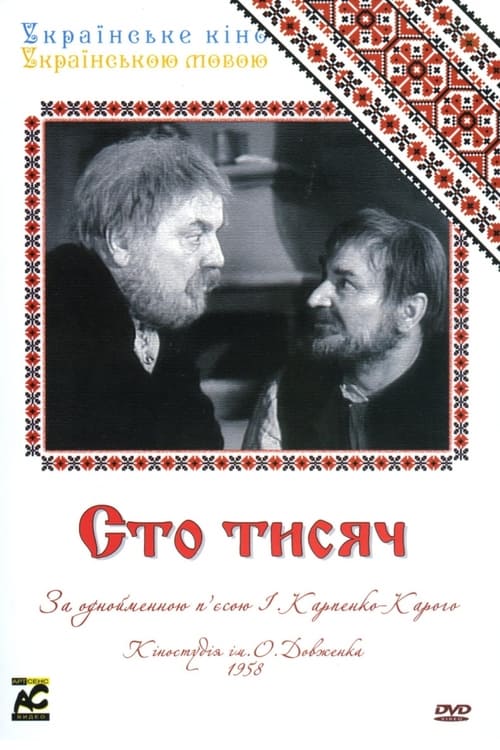
Hundred Thousands
Bonaventura Kopach
1958
Lead
★ 2.0
—
+ TRACK
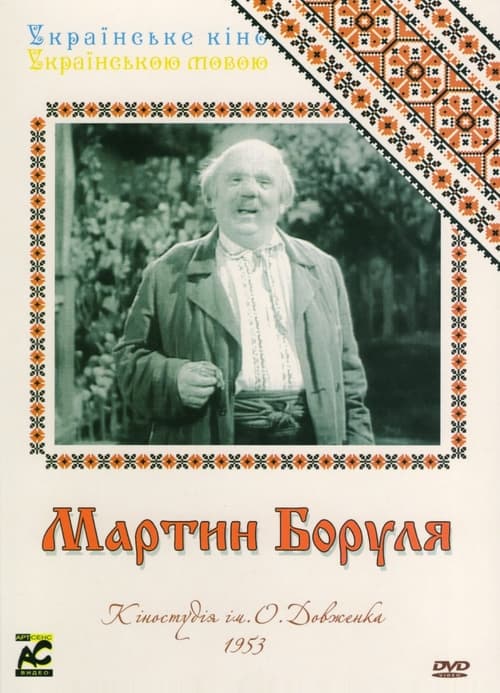
Martyn Borulya
Мартин Боруля
1953
Lead
—
—
+ TRACK
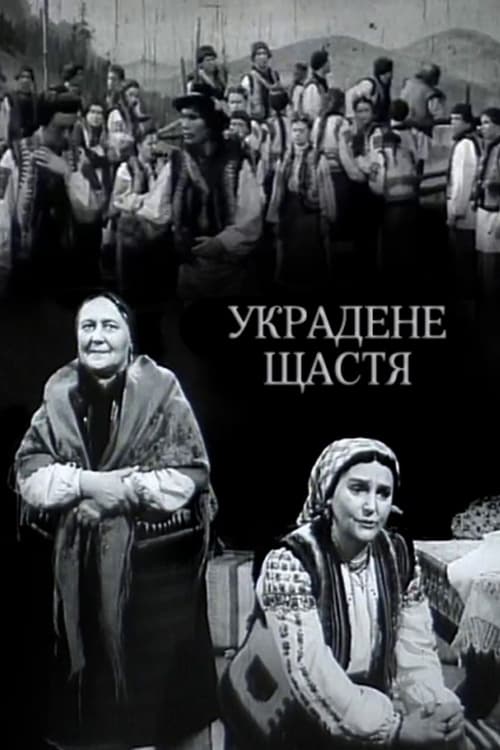
Stolen Happiness
1952
Director
★ 6.5
—
+ TRACK

Taras Shevchenko
Mikhail Shchepkin
1951
Lead
★ 4.3
—
+ TRACK
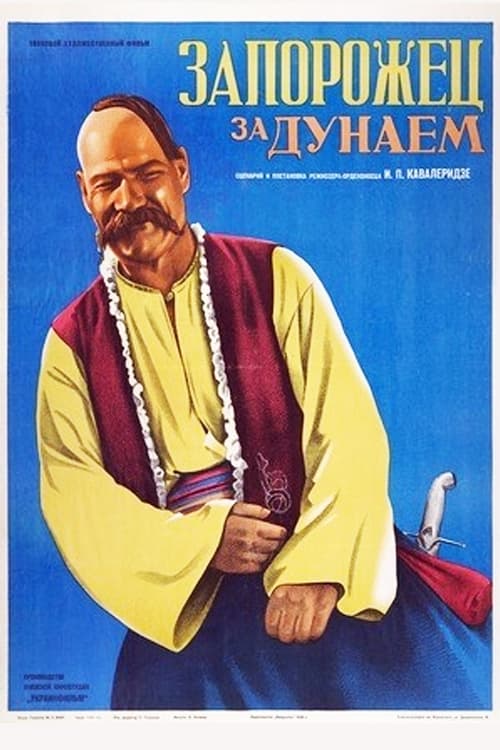
Cossacks Beyond the Danube
Selim-Aga, the eunuch
1937
Supporting
—
—
+ TRACK
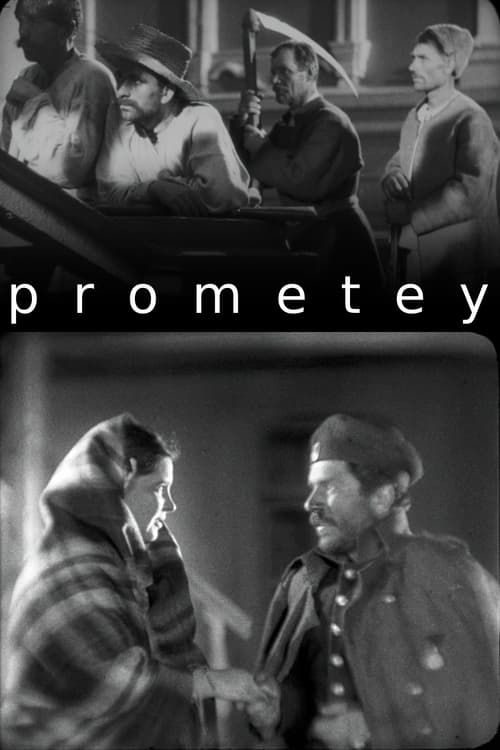
Prometey
Sydorenko, Svichka's manager
1936
Supporting
★ 4.7
—
+ TRACK
FAQ
Frequently Asked Questions
What is Hnat Yura known for?
Hnat Yura is known for acting in films such as 'Svichka's Wedding' (1962), 'Taras Shevchenko' (1951) as Mikhail Shchepkin, and 'Stolen Happiness' (1952).
What genres does Hnat Yura's filmography span?
Hnat Yura's filmography spans genres including Drama, Comedy, Adventure, History, Music, and TV Movie.
What era or decades does Hnat Yura's work cover?
Hnat Yura's work covers the years from 1936 to 1962, with the most active decade being the 1950s.
How many films are in Hnat Yura's filmography?
Hnat Yura has a total of 7 films listed in their filmography.
What are some of the notable films in Hnat Yura's filmography?
Some notable films in Hnat Yura's filmography include 'Svichka's Wedding' (1962), 'Taras Shevchenko' (1951), and 'Cossacks Beyond the Danube' (1937).
YOUR COLLECTION
Sign in to see your collection status for this actor.