Hôtei Nomura Filmography
DirectingBORN 1880KYŌTO19 FILMS IN DB
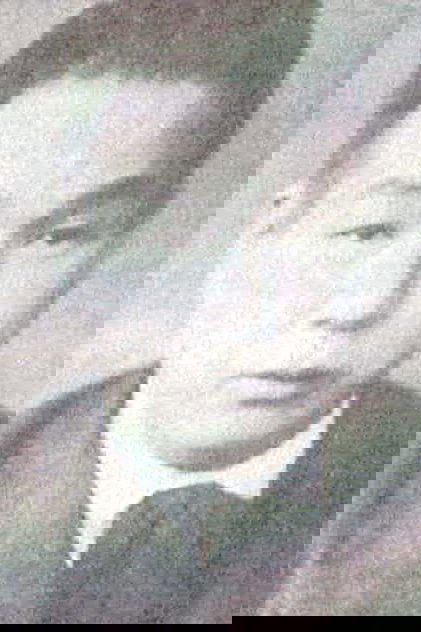
HôteiNomura
Known for Directing · —
19
FILMS IN DB
$204
TOTAL VALUE
8
PRICED
$25
AVG VALUE
4K
BEST FORMAT
💎
RAREST RELEASE
The Golden Demon
~$142 · 4K · 1932
📈
MOST VALUABLE
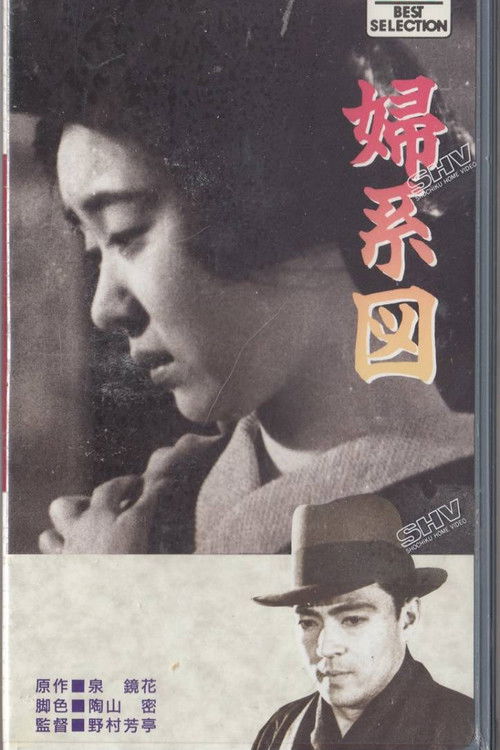
The Genealogy of Women
$0 · Est. market value
BIOGRAPHY
BORN
November 13, 1880
BIRTHPLACE
Kyōto, Kyōto Prefecture, Japan
KNOWN FOR
Directing
TOTAL CREDITS
22 (TMDb)
IN WATCHROSTER DB
19 matched films
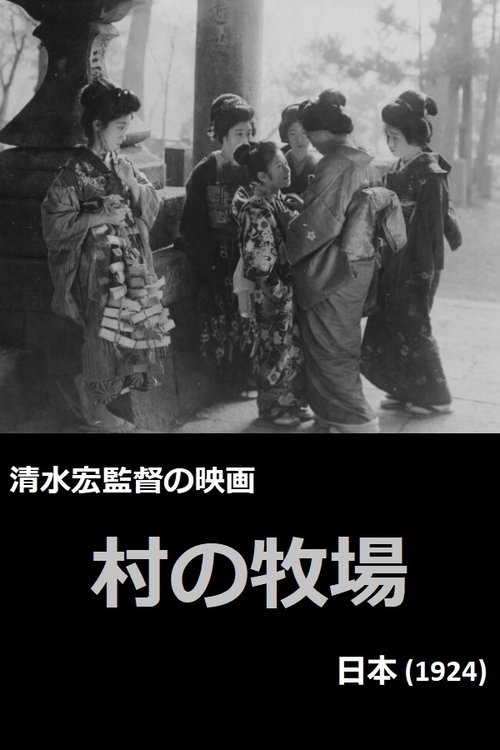
HIGHEST VALUE RELEASES
FILMS BY DECADE
FULL FILMOGRAPHY
19 filmsTITLE
YEAR
ROLE
FORMATS
RATING
VALUE
Constellations on Earth, Part One: Earth Chapter
1934
Director
—
—
+ TRACK
Constellations on Earth, Part 2: Constellations
1934
Director
—
—
+ TRACK
The Genealogy of Women
1934
Director
—
—
+ TRACK
Storm in the City
1934
Director
—
—
+ TRACK
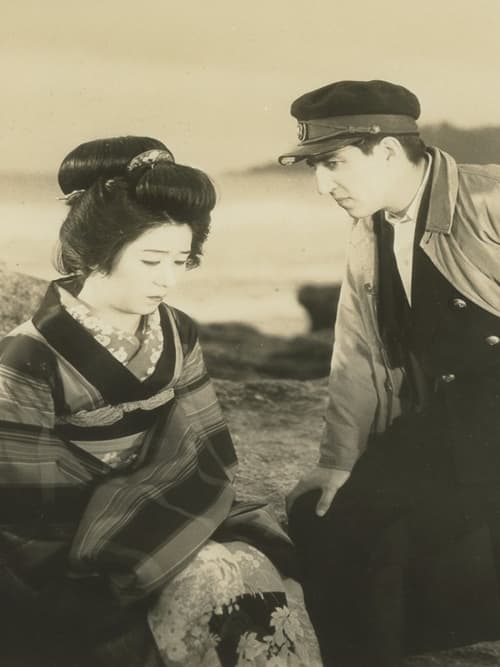
Island Girl
1933
Director
—
—
+ TRACK
Clear and Cloudy
1933
Director
—
—
+ TRACK
天龍下れば
1933
Director
—
$45
+ TRACK
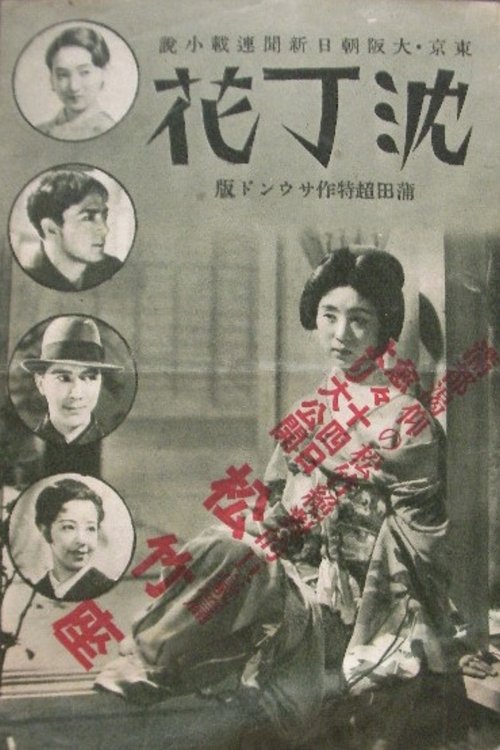
Daphne
1933
Director
—
—
+ TRACK
Tokyo ondo
1933
Director
—
—
+ TRACK
Chikyodai
1932
Director
—
—
+ TRACK
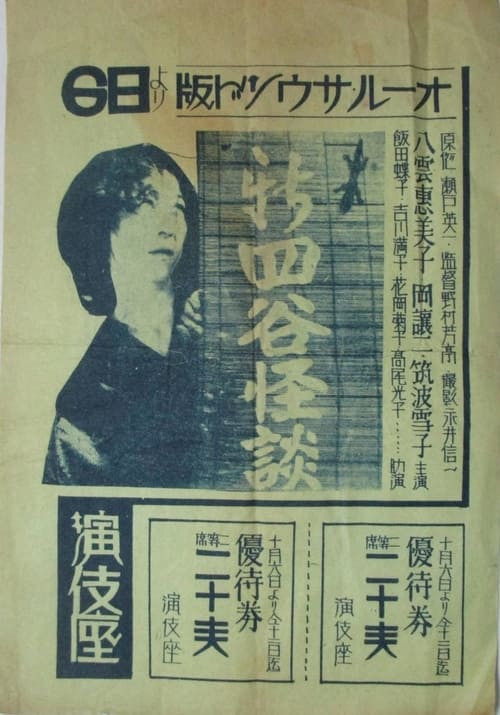
Shin Yotsuya Ghost Story
1932
Director
—
—
+ TRACK
The Golden Demon
1932
Director
—
$142
+ TRACK
Woman of Suffering
1931
Director
—
—
+ TRACK
The Village Where the Skylark Sings
1929
Director
—
—
+ TRACK
Mother
1929
Director
ALL
—
$17
+ TRACK
Symphony of Youth
1928
Director
—
—
+ TRACK
Useless Button
1926
Director
—
—
+ TRACK
Village Pasture
1924
Writer
—
—
+ TRACK
A Woman from the Genroku Era
1924
Director
—
—
+ TRACK
FAQ
Frequently Asked Questions
What is Hôtei Nomura known for?
Hôtei Nomura is known for directing films.
What genres does Hôtei Nomura's filmography span?
Hôtei Nomura's filmography spans the genres of Drama, Comedy, and Horror.
What is the time period of Hôtei Nomura's work?
Hôtei Nomura's work covers the years from 1924 to 1934, with the most active decade being the 1930s.
How many films are in Hôtei Nomura's filmography?
Hôtei Nomura has a filmography that includes 19 films.
What are some notable films directed by Hôtei Nomura?
Some notable films directed by Hôtei Nomura include Island Girl (1933), The Genealogy of Women (1934), Mother (1929), The Golden Demon (1932), and Symphony of Youth (1928).
KNOWN FOR
YOUR COLLECTION
Sign in to see your collection status for this actor.