Ikuo Oka Filmography
Actor4 FILMS IN DB
IO
IkuoOka
Known for Acting · —
4
FILMS IN DB
$20
TOTAL VALUE
2
PRICED
$10
AVG VALUE
4K
BEST FORMAT
💎
RAREST RELEASE
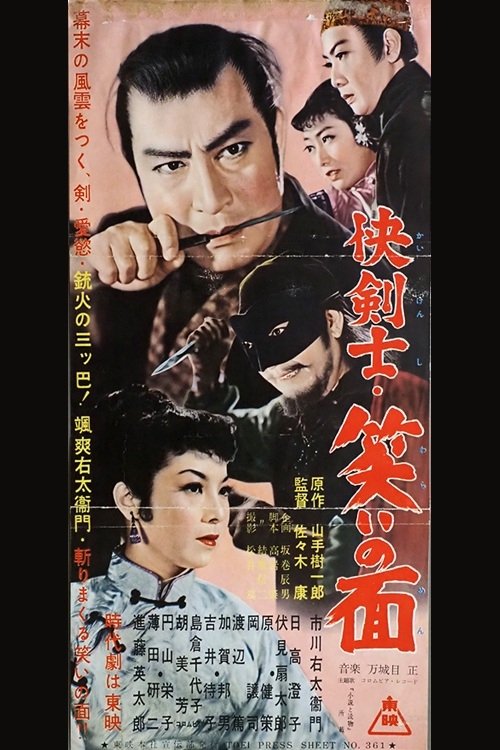
快剣士・笑いの面
~$20 · 4K · 1956
📈
MOST VALUABLE
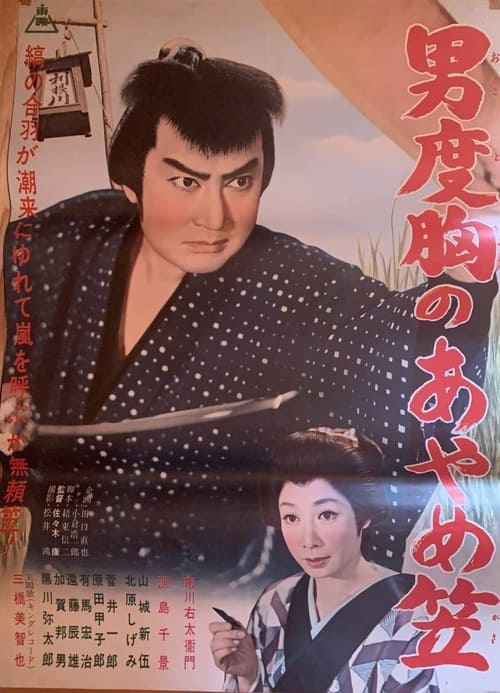
Otoko dokyō no ayame kasa
$0 · Est. market value
BIOGRAPHY
BORN
—
BIRTHPLACE
—
KNOWN FOR
Acting
TOTAL CREDITS
4 (TMDb)
IN WATCHROSTER DB
4 matched films
HIGHEST VALUE RELEASES
FILMS BY DECADE
FULL FILMOGRAPHY
4 filmsTITLE
YEAR
ROLE
FORMATS
RATING
VALUE
FAQ
Frequently Asked Questions
What is Ikuo Oka known for?
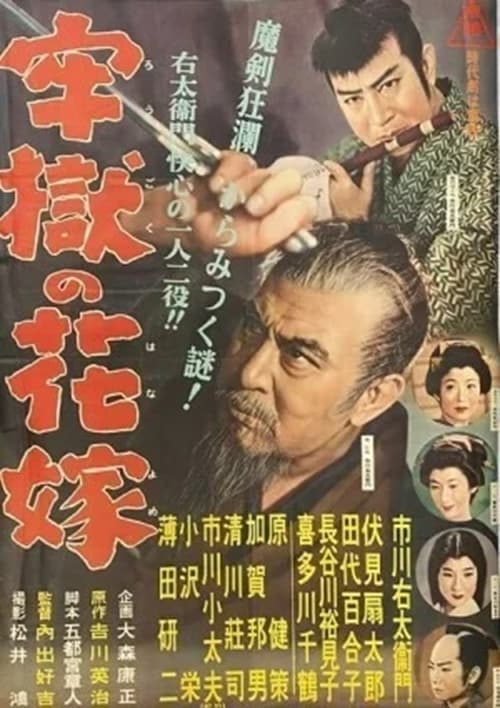
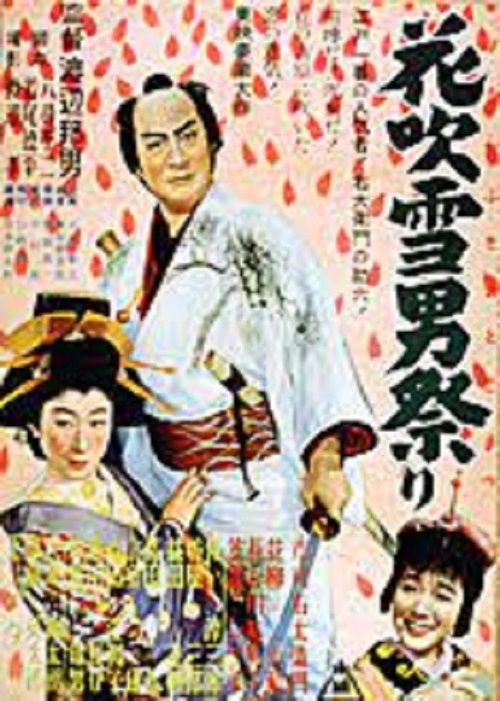
Ikuo Oka is known for acting, with notable films including 快剣士・笑いの面 (1956), 牢獄の花嫁 (1955), Otoko dokyō no ayame kasa (1962), and 花吹雪男祭り (1952).
What genres does Ikuo Oka's filmography span?
The genres of Ikuo Oka's filmography are not specified in the provided information.
What era does Ikuo Oka's work cover?
Ikuo Oka's work spans from 1952 to 1962, with the most-active decade being the 1950s.
How many films are in Ikuo Oka's filmography?
Ikuo Oka has a total of 4 films listed in their filmography.
What kinds of films are in Ikuo Oka's filmography?
Ikuo Oka's filmography includes a variety of films, with notable titles from the 1950s and early 1960s.
KNOWN FOR
YOUR COLLECTION
Sign in to see your collection status for this actor.