István Gaál Filmography
DirectingBORN 1933SALGÓTARJÁN17 FILMS IN DB
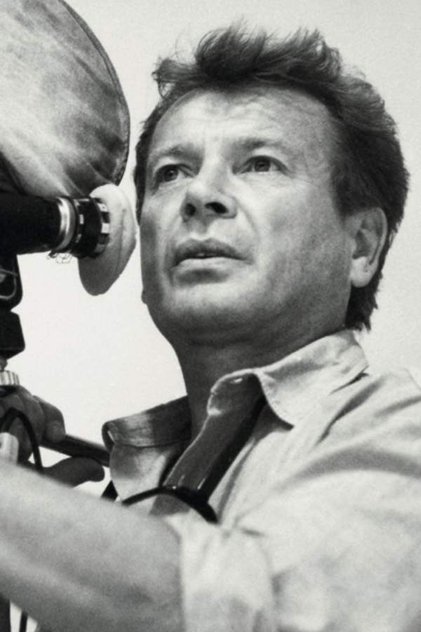
IstvánGaál
Known for Directing · Return, Current, Dead Landscape
17
FILMS IN DB
$155
TOTAL VALUE
3
PRICED
$52
AVG VALUE
4K
BEST FORMAT
💎
RAREST RELEASE
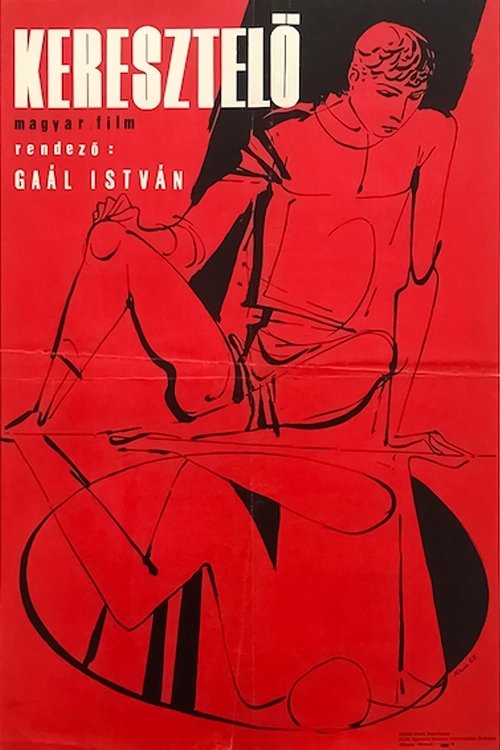
Baptism
~$95 · 4K · 1968
📈
MOST VALUABLE
Baptism
$95 · Est. market value
BIOGRAPHY
BORN
August 25, 1933
BIRTHPLACE
Salgótarján, Hungary
KNOWN FOR
Directing
TOTAL CREDITS
17 (TMDb)
IN WATCHROSTER DB
17 matched films
HIGHEST VALUE RELEASES
FILMS BY DECADE
FULL FILMOGRAPHY
17 filmsTITLE
YEAR
ROLE
FORMATS
RATING
VALUE
Roots
2005
Director
—
—
+ TRACK
Éjszaka
1989
Director
—
—
+ TRACK
Peer Gynt
1988
Director
—
—
+ TRACK
Orpheus and Eurydice
1986
Director
—
—
+ TRACK
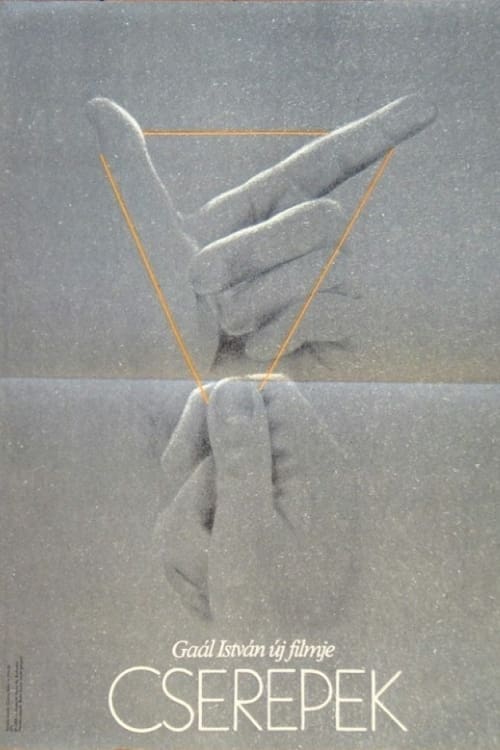
Potteries
1981
Director
★ 6.0
—
+ TRACK
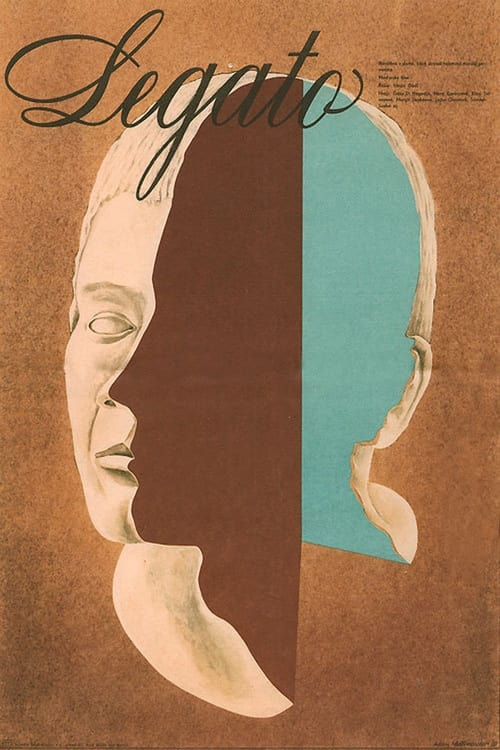
Legato
1977
Director
—
—
+ TRACK
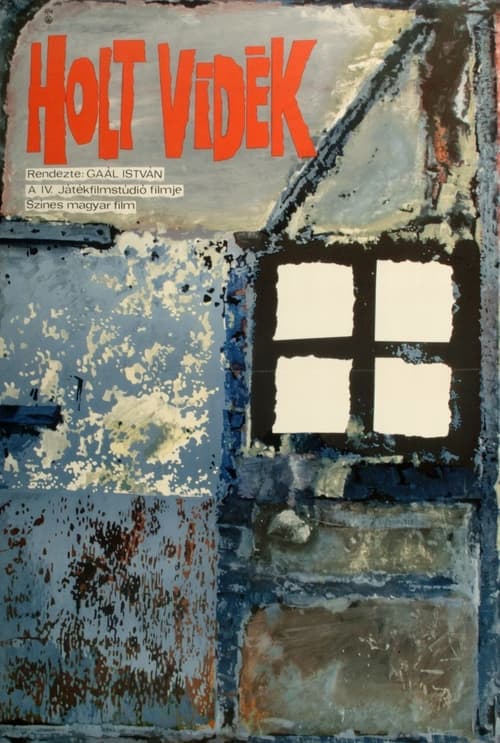
Dead Landscape
1972
Director
★ 6.6
—
+ TRACK
Music of the Night by Béla Bartók
1970
Director
—
—
+ TRACK
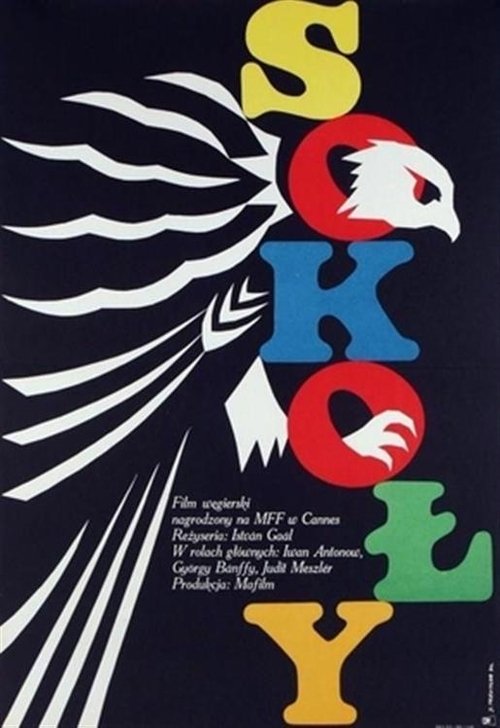
The Falcons
1970
Director
★ 5.2
—
+ TRACK
Baptism
1968
Director
—
$95
+ TRACK
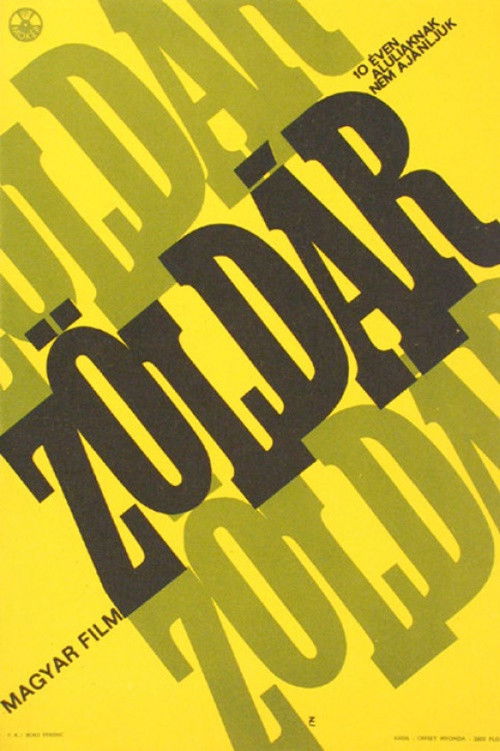
Green Years
1965
Director
★ 6.5
$18
+ TRACK
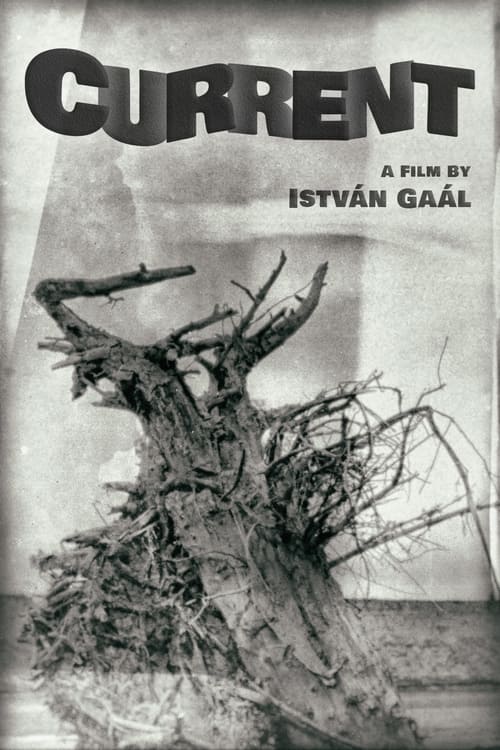
Current
1964
Director
★ 6.9
$42
+ TRACK
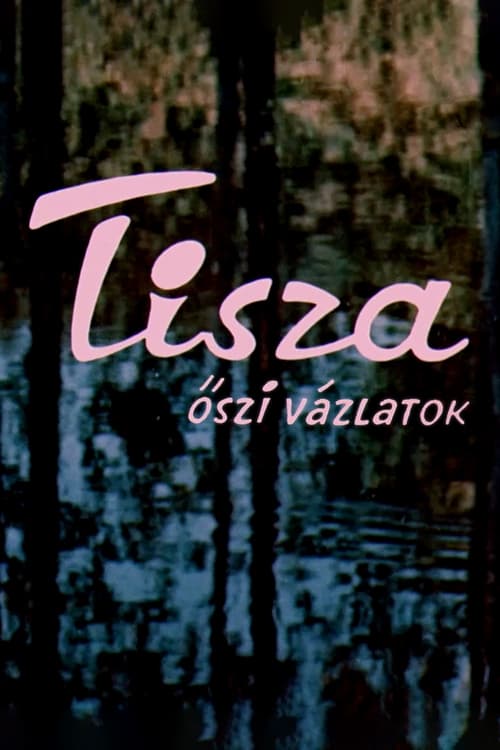
Tisza: Autumn Sketches
1963
Director
—
—
+ TRACK
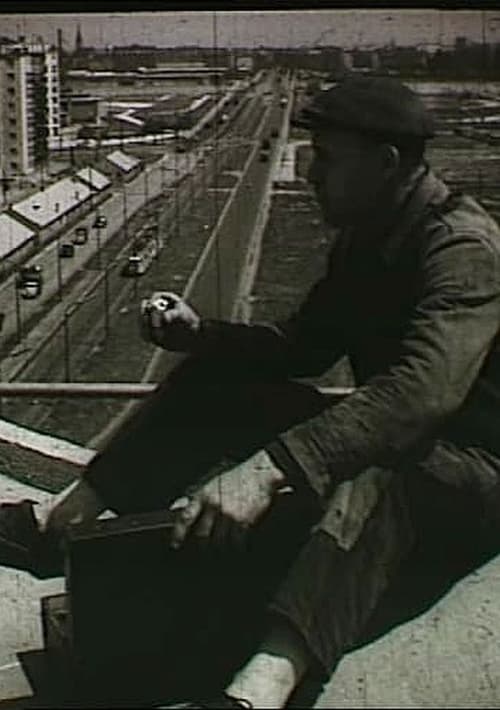
Return
1962
Director
★ 7.0
—
+ TRACK
Etude
1961
Writer
—
—
+ TRACK
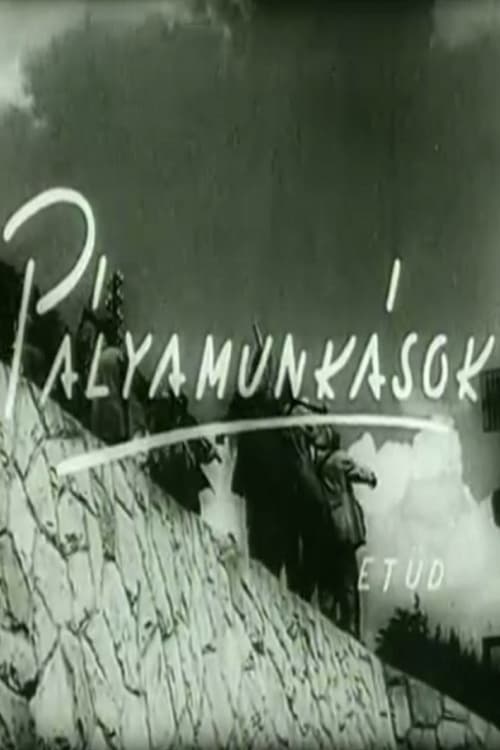
The Platelayer
1957
Director
—
—
+ TRACK
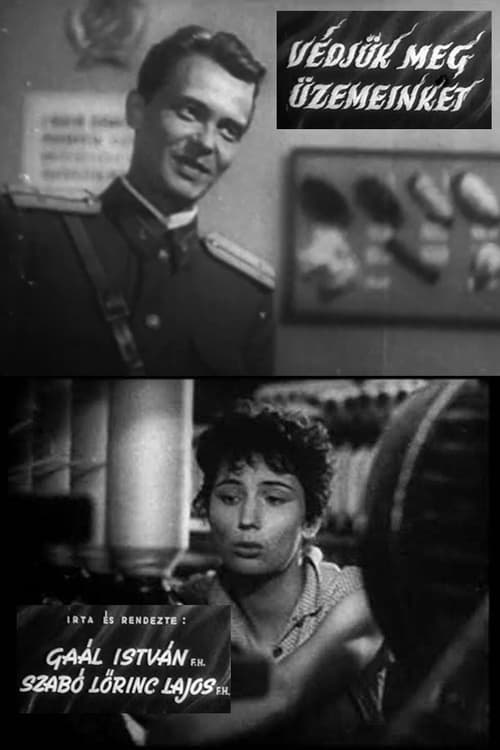
Védjük meg üzemeinket
1956
Writer
—
—
+ TRACK
FAQ
Frequently Asked Questions
What is István Gaál known for?
István Gaál is known for directing films such as Baptism (1968), Dead Landscape (1972), Potteries (1981), Éjszaka (1989), Current (1964), The Falcons (1970), Orpheus and Eurydice (1986), and Roots (2005).
What genres does István Gaál's filmography span?
István Gaál's filmography spans the genres of Drama, Documentary, Music, and TV Movie.
What era or decades does István Gaál's work cover?
István Gaál's work covers the years from 1956 to 2005, with the most-active decade being the 1960s.
How extensive is István Gaál's filmography?
István Gaál's filmography consists of 17 films.
YOUR COLLECTION
Sign in to see your collection status for this actor.