James Woolley Filmography
ActorBORN 1945TAUNTON3 FILMS IN DB
JW
JamesWoolley
Known for Acting · Telling Tales, Illusive Crime
3
FILMS IN DB
$0
TOTAL VALUE
0
PRICED
—
AVG VALUE
—
BEST FORMAT
BIOGRAPHY
BORN
January 1, 1945
BIRTHPLACE
Taunton, Somerset, England, UK
KNOWN FOR
Acting
TOTAL CREDITS
3 (TMDb)
IN WATCHROSTER DB
3 matched films
FILMS BY DECADE
FULL FILMOGRAPHY
3 filmsTITLE
YEAR
ROLE
FORMATS
RATING
VALUE
FAQ
Frequently Asked Questions
What is James Woolley known for?
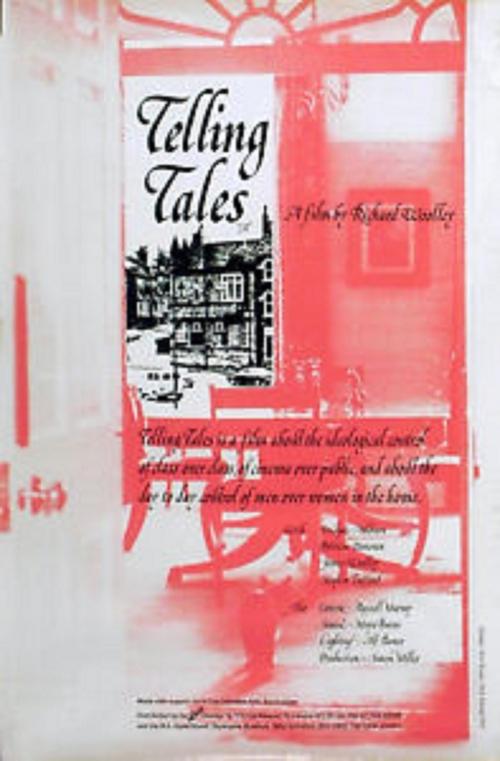
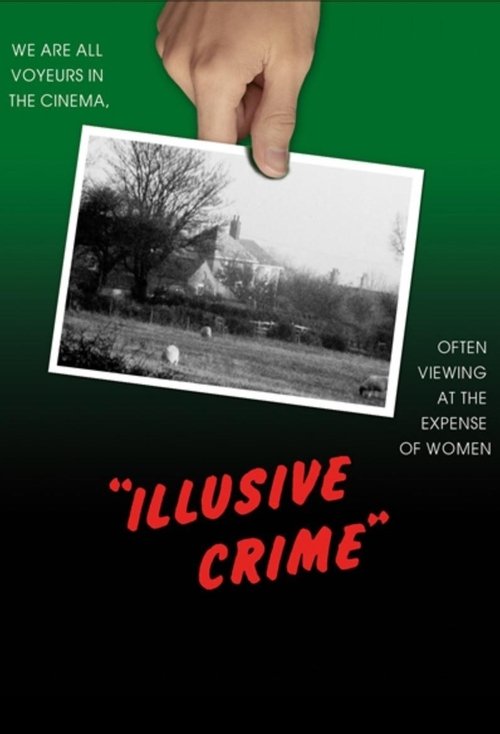
James Woolley is known for his acting roles in films such as 'Telling Tales' (1978) as Mr Willoughby/Paul Roberts, 'Illusive Crime' (1976), and 'A Prison Should Be Dark' (1971).
What genres does James Woolley's filmography span?
James Woolley's filmography spans the drama genre.
What era or decades does James Woolley's work cover?
James Woolley's work covers the era from 1971 to 1978, with his most active decade being the 1970s.
How many films are in James Woolley's filmography?
James Woolley's filmography includes a total of 3 films.
What are some notable films in James Woolley's filmography?
Some notable films in James Woolley's filmography include 'Telling Tales' (1978), 'Illusive Crime' (1976), and 'A Prison Should Be Dark' (1971).
KNOWN FOR
YOUR COLLECTION
Sign in to see your collection status for this actor.