Jong-geun Byeon Filmography
ActorBORN 19154 FILMS IN DB
JB
Jong-geunByeon
Known for Acting · —
4
FILMS IN DB
$0
TOTAL VALUE
0
PRICED
—
AVG VALUE
—
BEST FORMAT
BIOGRAPHY
BORN
July 20, 1915
BIRTHPLACE
—
KNOWN FOR
Acting
TOTAL CREDITS
4 (TMDb)
IN WATCHROSTER DB
4 matched films
FILMS BY DECADE
FULL FILMOGRAPHY
4 filmsTITLE
YEAR
ROLE
FORMATS
RATING
VALUE

FAQ
Frequently Asked Questions
What is Jong-geun Byeon known for?
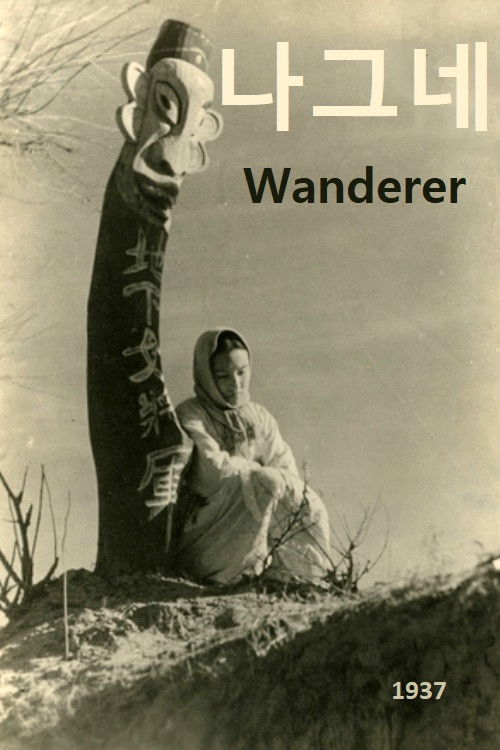
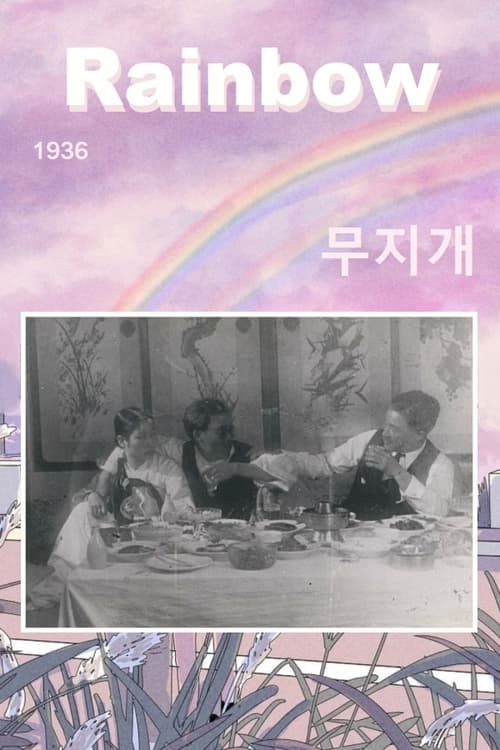
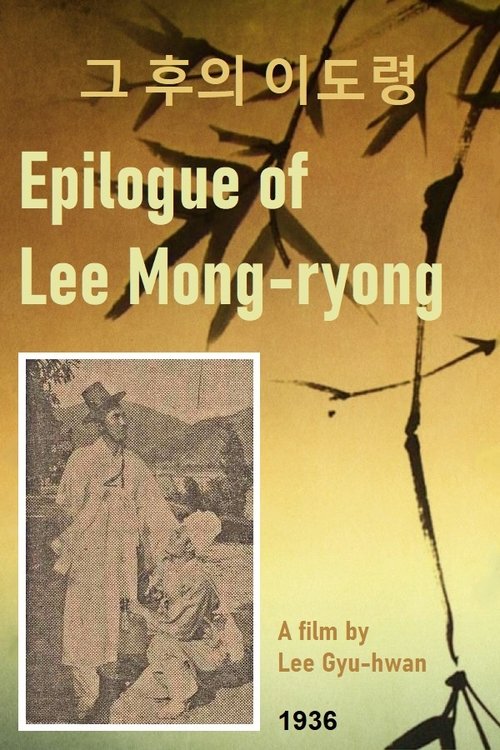
Jong-geun Byeon is known for acting in films such as The Street Named Jongno (1933), Wanderer (1937), Epilogue of Lee Mong-ryong (1936), and Rainbow (1936).
What genres does Jong-geun Byeon's filmography span?
Jong-geun Byeon's filmography spans the genres of Drama and History.
What era or decades does Jong-geun Byeon's work cover?
Jong-geun Byeon's work covers the years from 1933 to 1937, with the most-active decade being the 1930s.
How many films are in Jong-geun Byeon's filmography?
Jong-geun Byeon has a total of 4 films in his filmography.
What are some notable films in Jong-geun Byeon's filmography?
Some notable films in Jong-geun Byeon's filmography include The Street Named Jongno (1933), Wanderer (1937), Epilogue of Lee Mong-ryong (1936), and Rainbow (1936).
KNOWN FOR
YOUR COLLECTION
Sign in to see your collection status for this actor.