Kayoko Moriyama Filmography
ActressBORN 1940HAKODATE6 FILMS IN DB
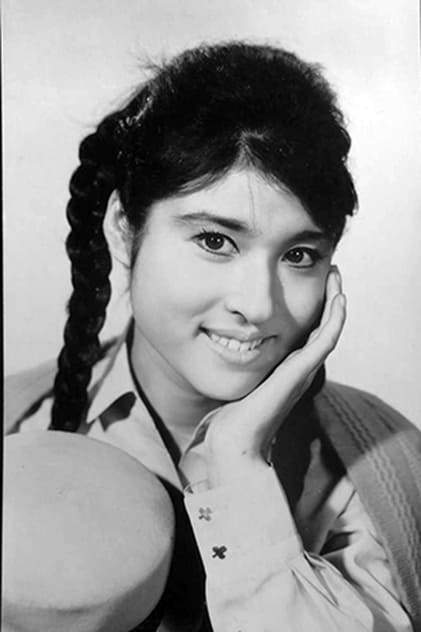
KayokoMoriyama
Known for Acting · —
6
FILMS IN DB
$0
TOTAL VALUE
0
PRICED
—
AVG VALUE
—
BEST FORMAT
BIOGRAPHY
BORN
March 23, 1940
BIRTHPLACE
Hakodate, Hokkaido, Japan
KNOWN FOR
Acting
TOTAL CREDITS
6 (TMDb)
IN WATCHROSTER DB
6 matched films
FILMS BY DECADE
FULL FILMOGRAPHY
6 filmsTITLE
YEAR
ROLE
FORMATS
RATING
VALUE
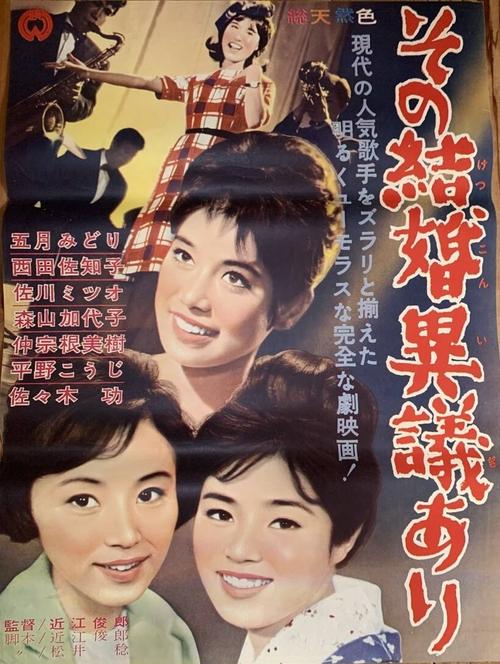
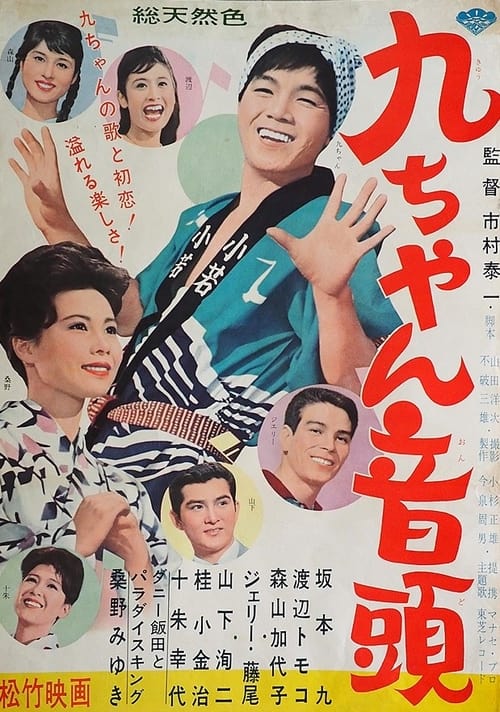



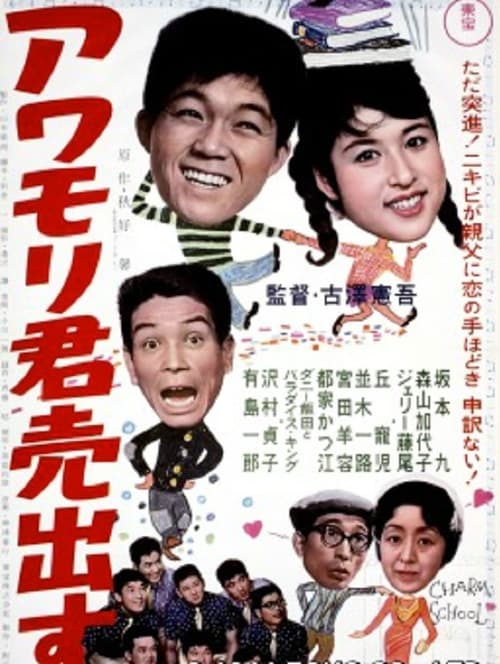
FAQ
Frequently Asked Questions
What is Kayoko Moriyama known for?
Kayoko Moriyama is known for her acting roles in films such as 'Awamori-kun kanpai!' (1961), 'Awamori-kun nishi-e iku' (1961), and 'Kawaii mendori ga utatta' (1961).
What genres does Kayoko Moriyama's filmography span?
Kayoko Moriyama's filmography spans the comedy genre.
What era does Kayoko Moriyama's work cover?
Kayoko Moriyama's work covers the early 1960s, specifically from 1961 to 1963, with her most-active decade being the 1960s.
How many films are included in Kayoko Moriyama's filmography?
Kayoko Moriyama's filmography includes 6 films.
What are some notable films in Kayoko Moriyama's career?
Some notable films in Kayoko Moriyama's career include 'Awamori-kun kanpai!' (1961), 'Awamori-kun nishi-e iku' (1961), and 'Kyū-chan ondo' (1962).
KNOWN FOR
YOUR COLLECTION
Sign in to see your collection status for this actor.