Kei Satō Filmography
ActorBORN 1928AIZUWAKAMATSU126 FILMS IN DB

KeiSatō
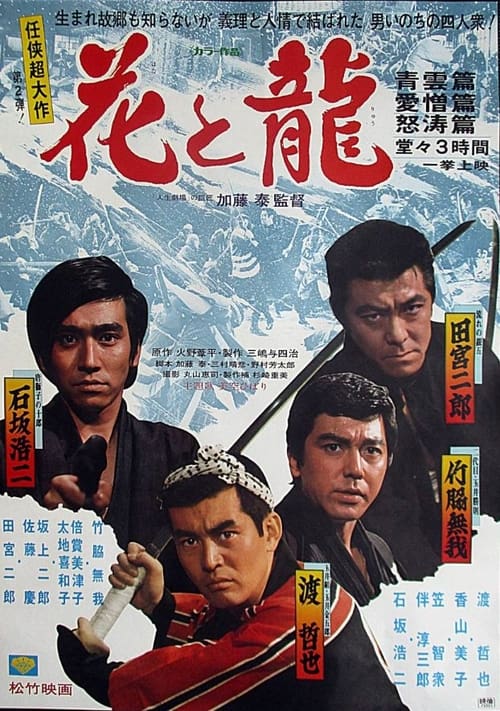
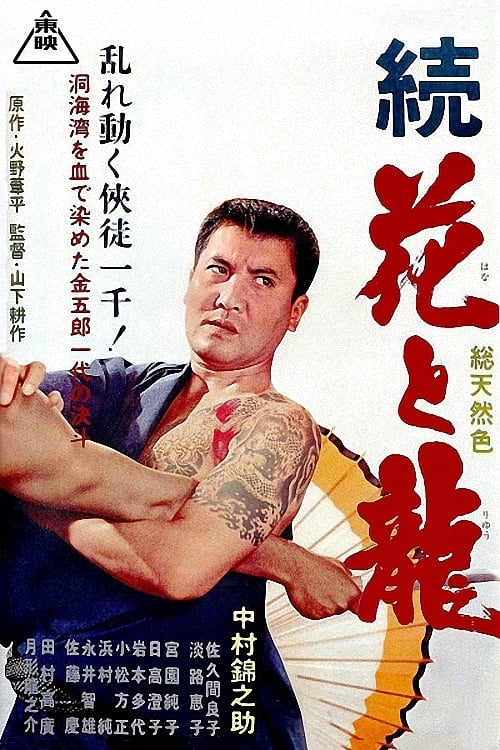
Known for Acting · The Notorious Bored Samurai, Flower and Dragon, Flower and Dragon: Duel of the Sea Caves
126
FILMS IN DB
$2,105
TOTAL VALUE
58
PRICED
$36
AVG VALUE
DVD
BEST FORMAT
💎
RAREST RELEASE
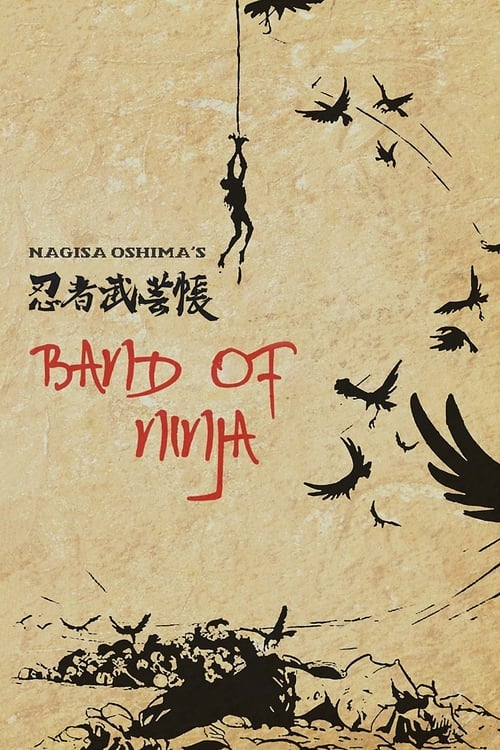
Band of Ninja
~$240 · BLU-RAY · 1967
📈
MOST VALUABLE
Kaiji: The Ultimate Gambler
$30 · Est. market value
BIOGRAPHY
BORN
December 21, 1928
BIRTHPLACE
Aizuwakamatsu, Fukushima, Japan
KNOWN FOR
Acting
TOTAL CREDITS
126 (TMDb)
IN WATCHROSTER DB
126 matched films
HIGHEST VALUE RELEASES




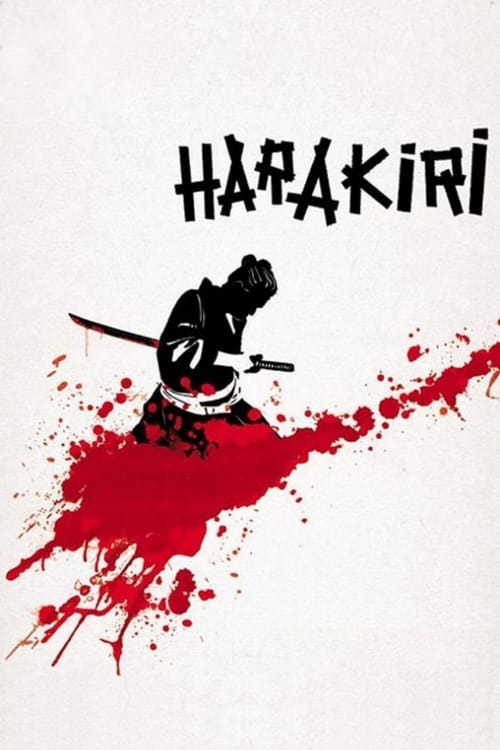
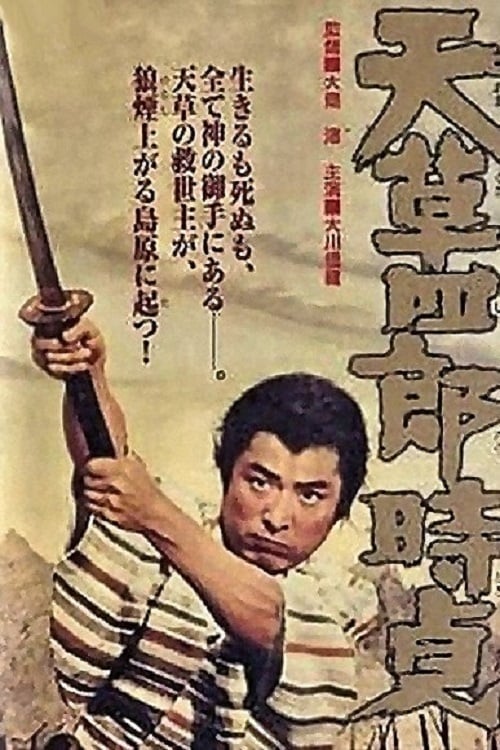
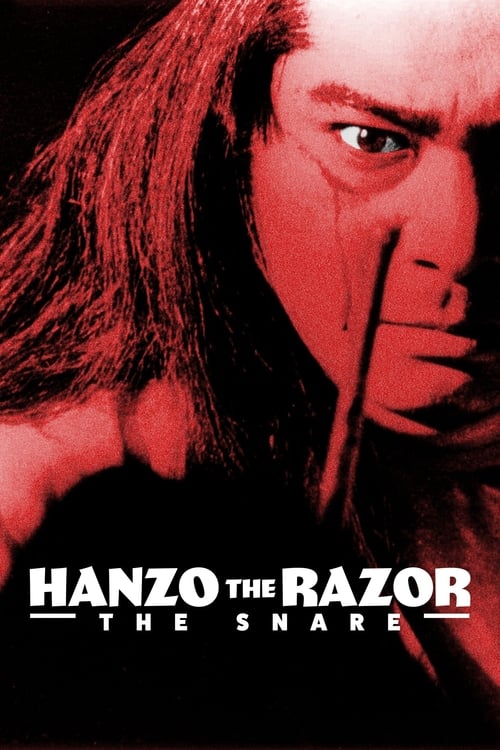
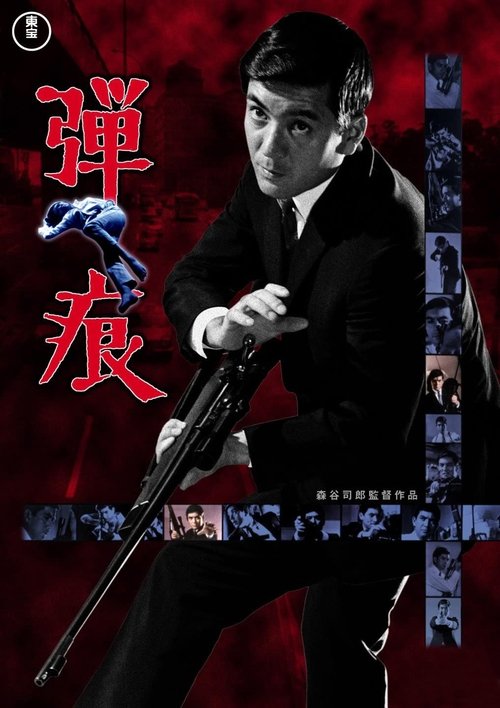



FILMS BY DECADE
FULL FILMOGRAPHY
126 filmsTITLE
YEAR
ROLE
FORMATS
RATING
VALUE
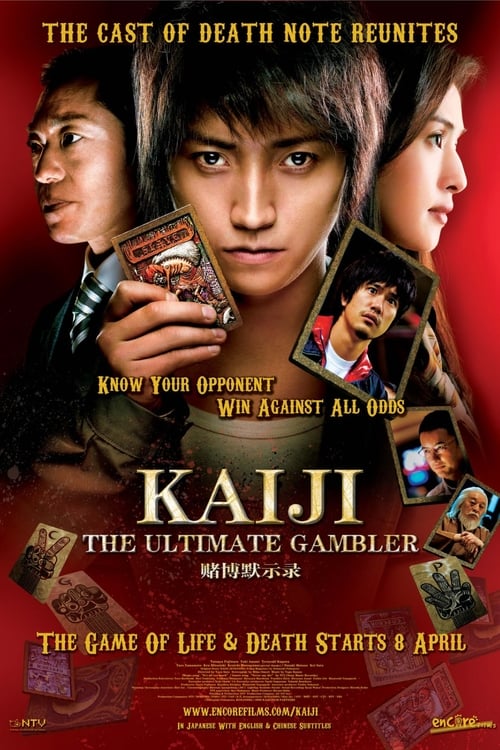
Kaiji: The Ultimate Gambler
Kazutaka Okada
2009
Supporting
★ 6.8
$30
+ TRACK

The Whispering of the Gods
Father Togawa
2005
Supporting
★ 5.0
$10
+ TRACK

Taboo
Narrator (voice)
1999
Supporting
★ 6.5
$19
+ TRACK
Neo Faust
Dr. Faust
1999
Lead
—
—
+ TRACK
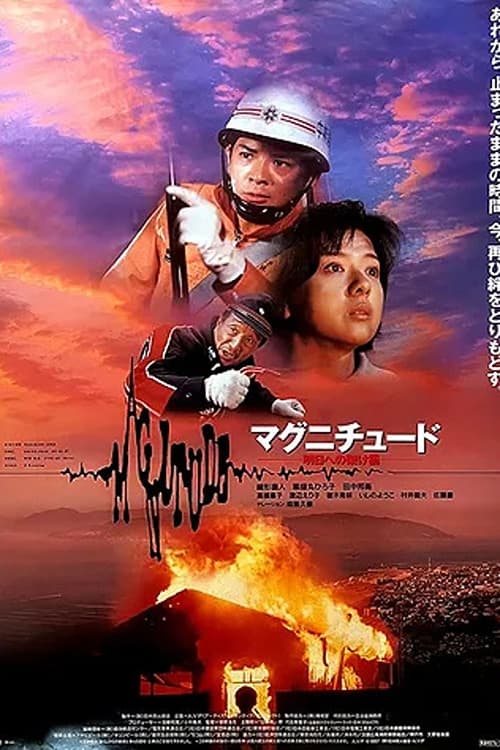
Magnitude: Bridge to Tomorrow
1997
Supporting
—
—
+ TRACK

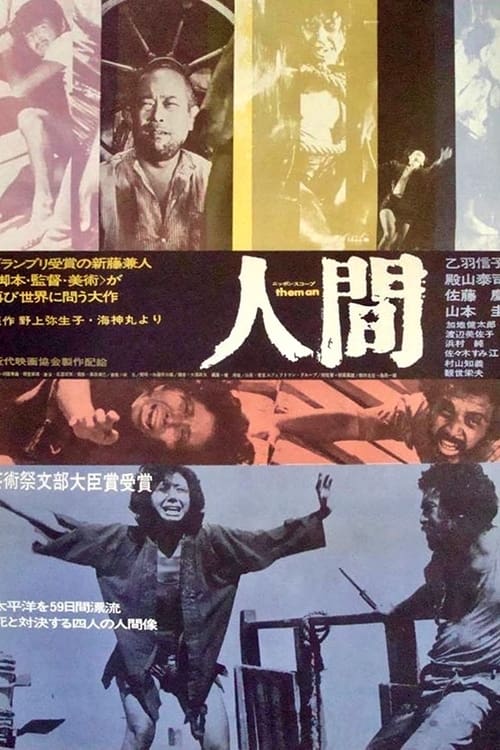
Asian Blue: Ukishima-maru Incident
1995
Lead
—
—
+ TRACK
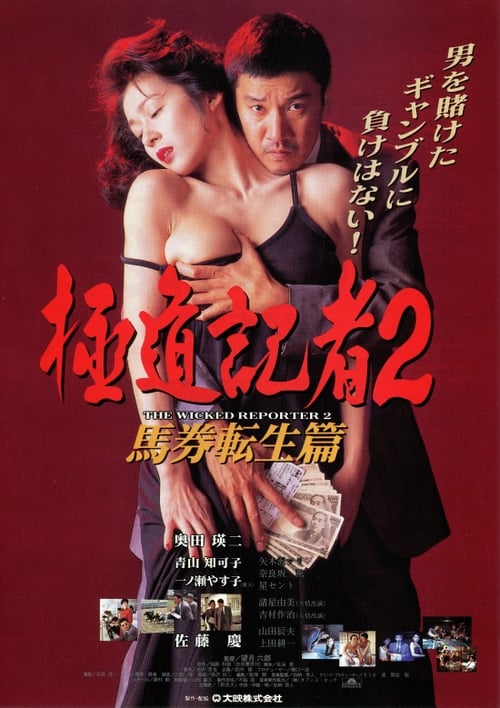
The Wicked Reporter 2: The Rebirth of Horserace Betting
1994
Lead
★ 6.1
—
+ TRACK
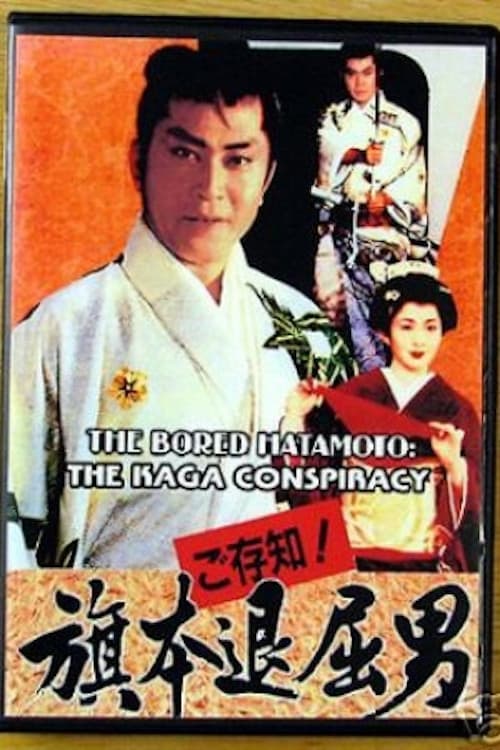
Bored Hatamoto: The Kaga Conspiracy
1993
Lead
—
—
+ TRACK
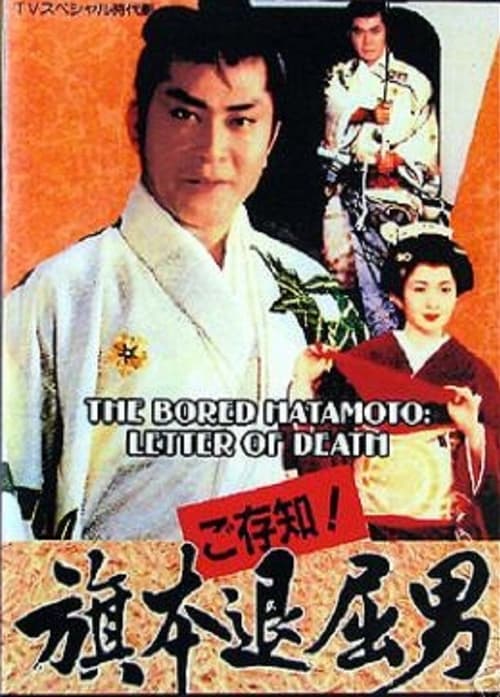
Bored Hatamoto: Letter of Death
1993
Lead
—
—
+ TRACK
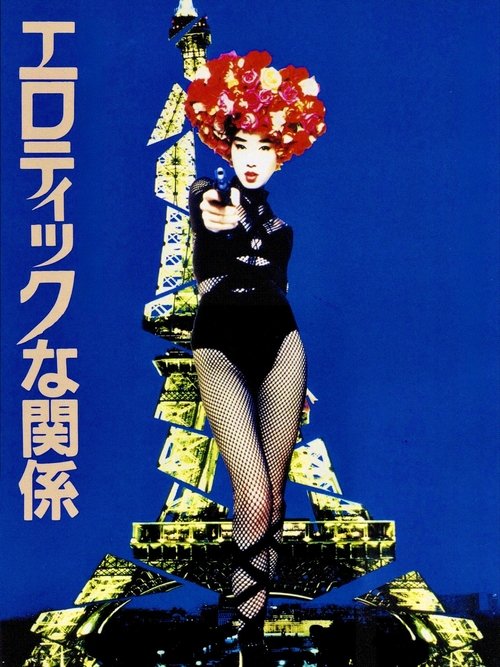
Erotic Liaisons
Nemoto
1992
Supporting
★ 4.0
—
+ TRACK
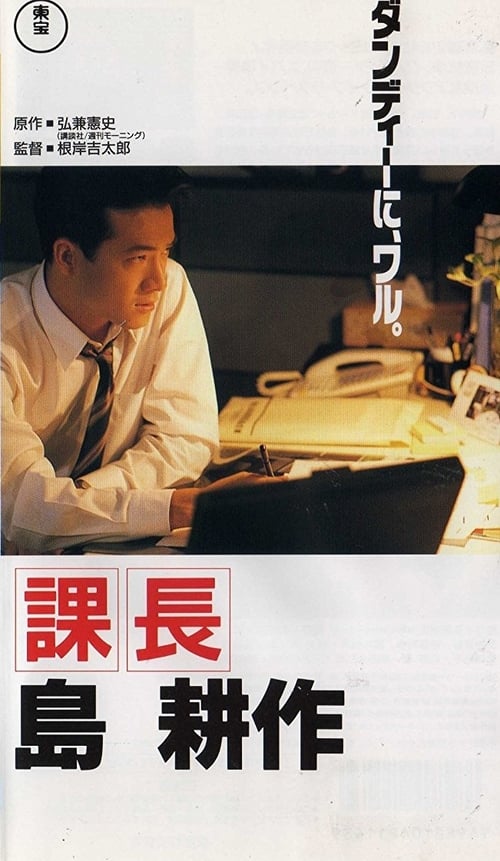
Kachô Shima Kôsaku
1992
Supporting
—
—
+ TRACK
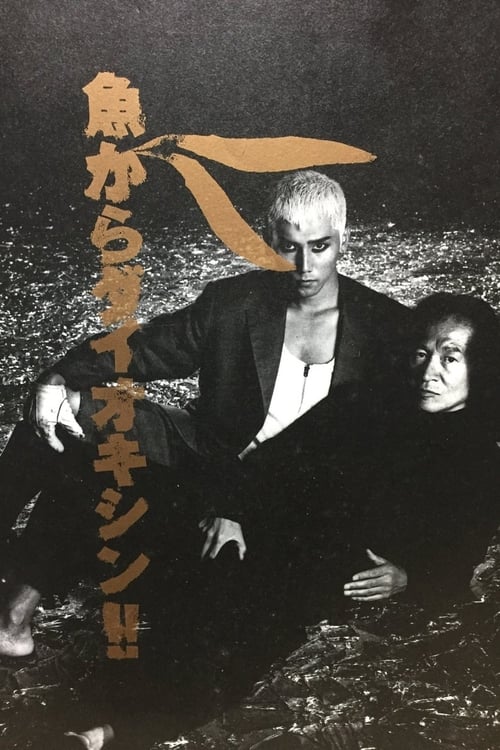
Dioxin from Fish!
Genjiro
1992
Lead
—
—
+ TRACK
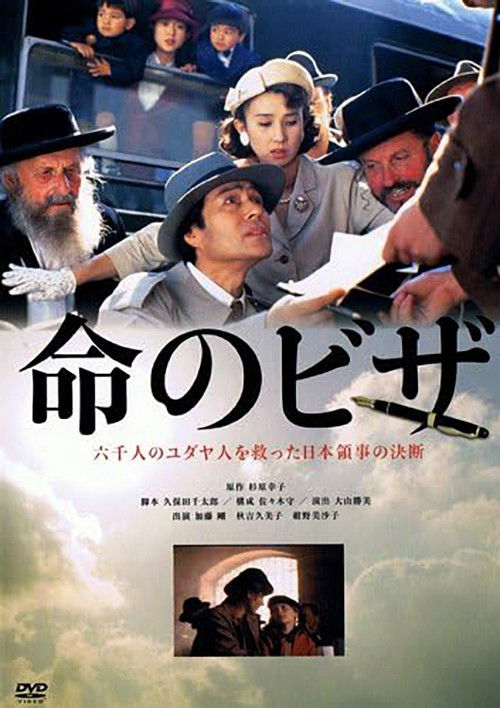
The Visas That Saved Lives
1992
Lead
—
—
+ TRACK
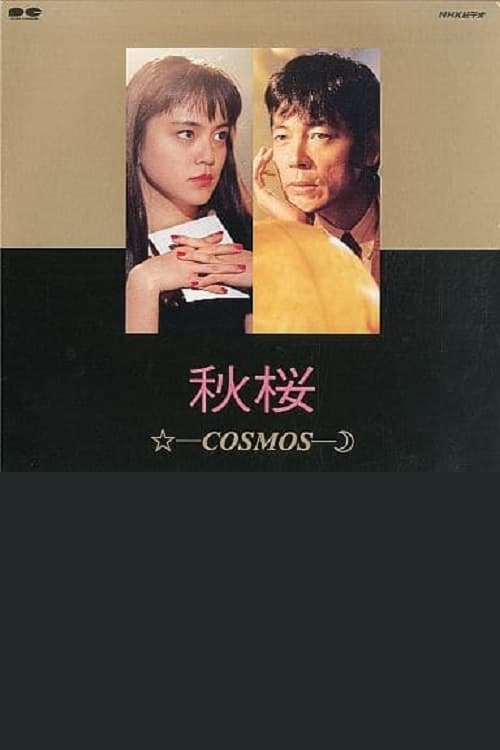
Akizakura - Cosmos
1991
Supporting
—
—
+ TRACK
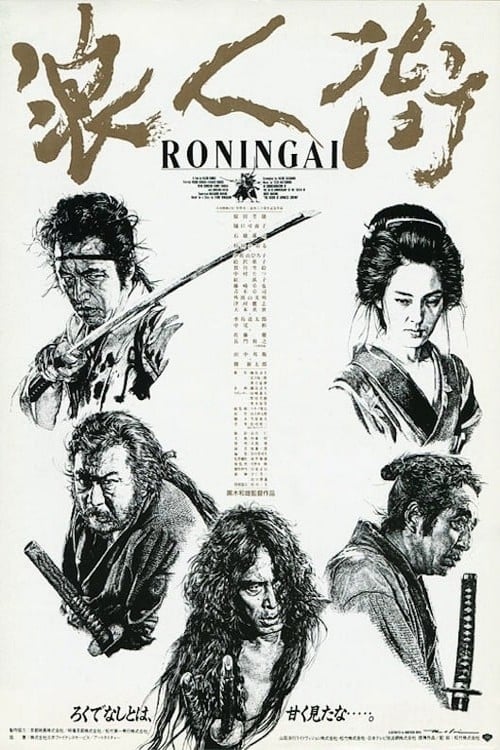
Ronin-gai
Iseya
1990
Supporting
★ 5.9
$33
+ TRACK
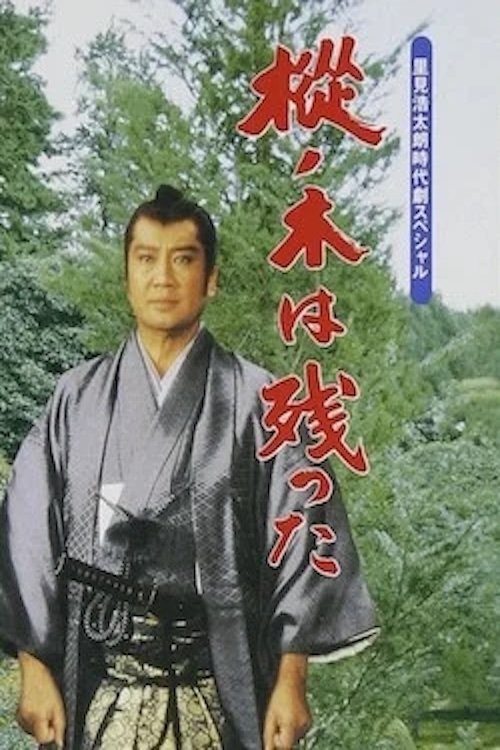
The Fir Tree Remains
1990
Supporting
ALL
—
—
+ TRACK
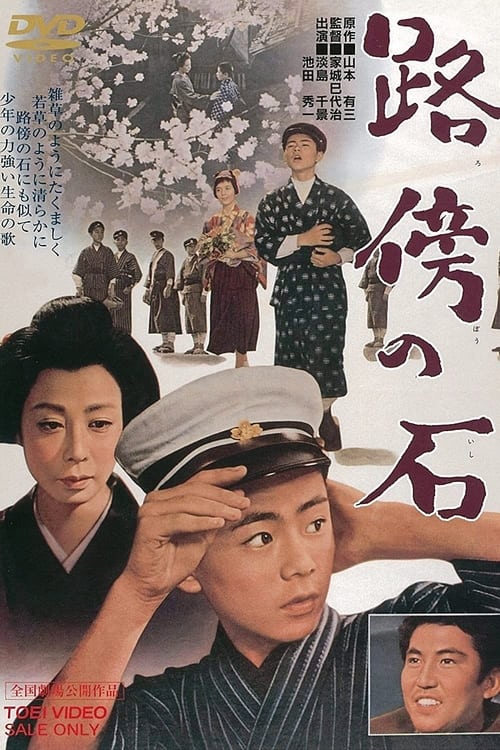
Detective Heiji
1990
Lead
—
$62
+ TRACK
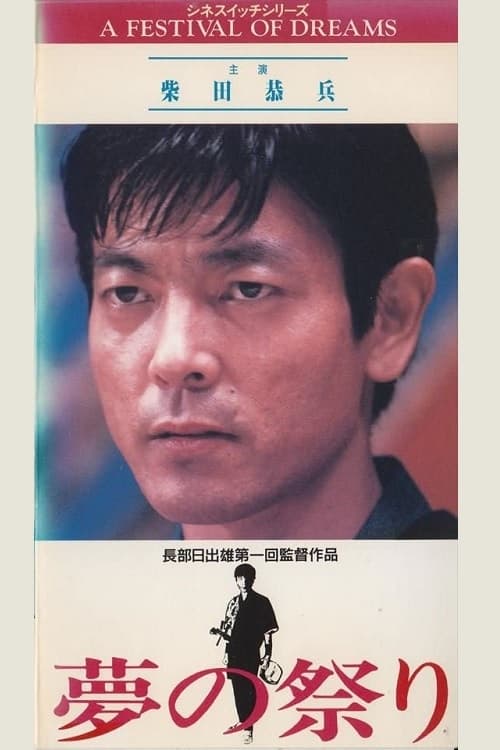
Festival of Dreams
1989
Lead
—
$108
+ TRACK
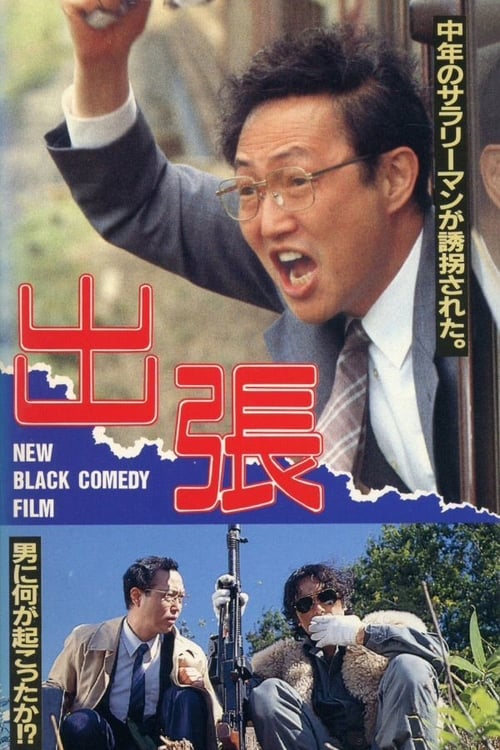
Business Trip
(voice)
1989
Lead
—
$44
+ TRACK
I Love You So Much
1988
Supporting
—
$186
+ TRACK
FAQ
Frequently Asked Questions
What genres did Kei Satō work in throughout his career?
Kei Satō appeared in a wide range of genres including drama, action, crime, history, thriller, and comedy.
During which decade was Kei Satō most active in his acting career?
Kei Satō was most active during the 1960s, appearing in many films during that decade.
What are some of Kei Satō's most notable film roles?
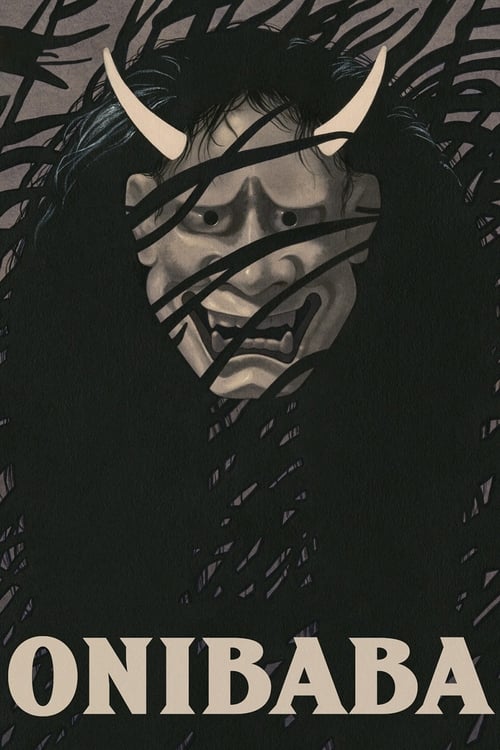
Some of Kei Satō's notable roles include Masakazu in Harakiri (1962), Shobei Hamajima in Hanzo the Razor: The Snare (1973), and Hachi in Onibaba (1964).
Over what time span did Kei Satō's filmography extend?
Kei Satō's filmography spans from 1959 to 2009, covering five decades of work.
In what physical media formats can Kei Satō's films be found?
Kei Satō's films are available on blu-ray, DVD, laserdisc, and other physical media formats.
KNOWN FOR
YOUR COLLECTION
Sign in to see your collection status for this actor.