Luis Peña Sánchez Filmography
Actor6 FILMS IN DB
LP
Luis PeñaSánchez
Known for Acting · La casa de la Troya, ¡Harka!
6
FILMS IN DB
$0
TOTAL VALUE
0
PRICED
—
AVG VALUE
—
BEST FORMAT
BIOGRAPHY
BORN
—
BIRTHPLACE
—
KNOWN FOR
Acting
TOTAL CREDITS
6 (TMDb)
IN WATCHROSTER DB
6 matched films
FILMS BY DECADE
FULL FILMOGRAPHY
6 filmsTITLE
YEAR
ROLE
FORMATS
RATING
VALUE
FAQ
Frequently Asked Questions
What is Luis Peña Sánchez known for?
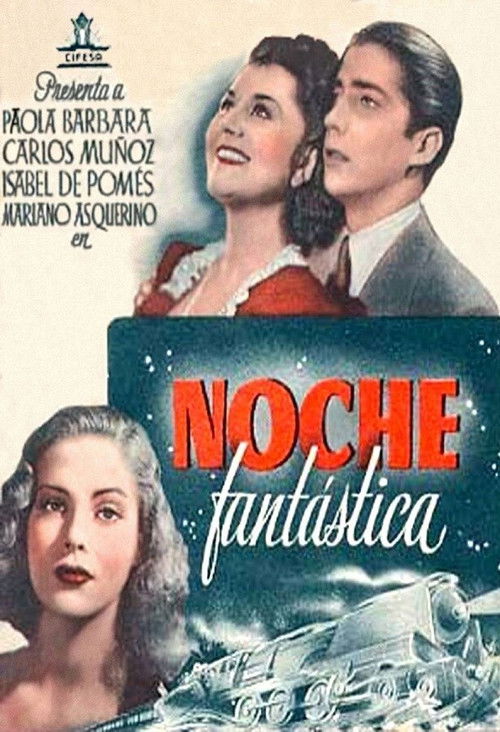
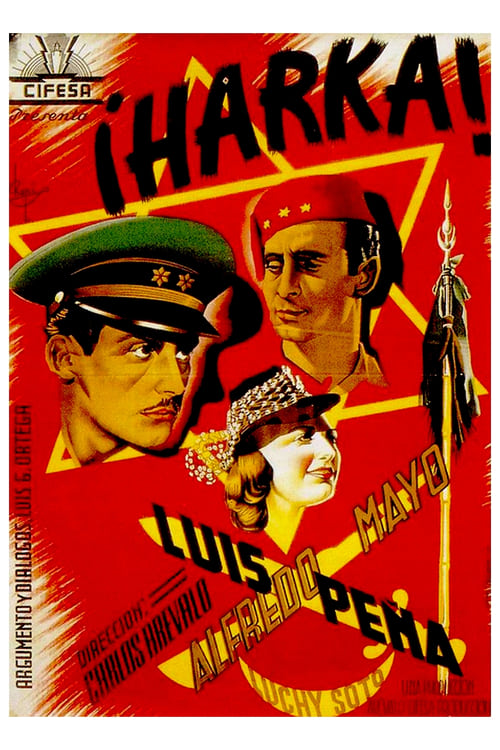
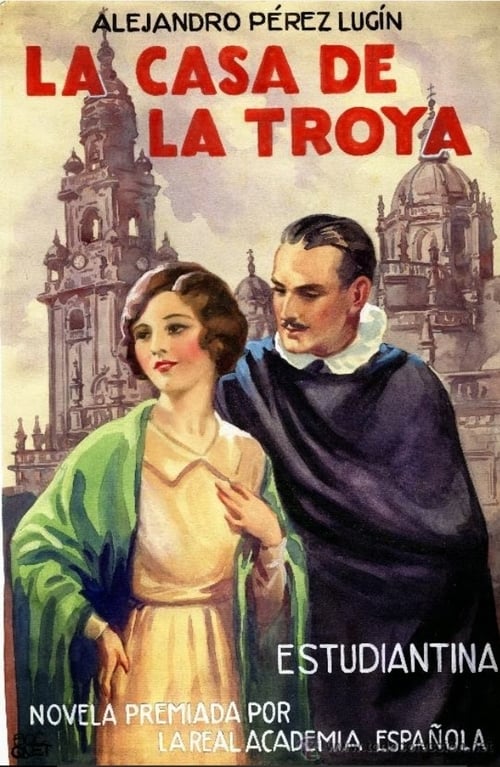
Luis Peña Sánchez is known for his acting roles in films such as Noche fantástica (1943) as Pedro, ¡Harka! (1941) as Comandante Prada, and La casa de la Troya (1925) as Gerardo.
What genres does Luis Peña Sánchez's filmography span?
His filmography includes genres such as Drama, Adventure, and Comedy.
What era or decades does Luis Peña Sánchez's work cover?
Luis Peña Sánchez's work spans from 1925 to 1943, with his most-active decade being the 1940s.
How many films are in Luis Peña Sánchez's filmography?
Luis Peña Sánchez has a total of 6 films listed in his filmography.
What are some notable films in Luis Peña Sánchez's filmography?
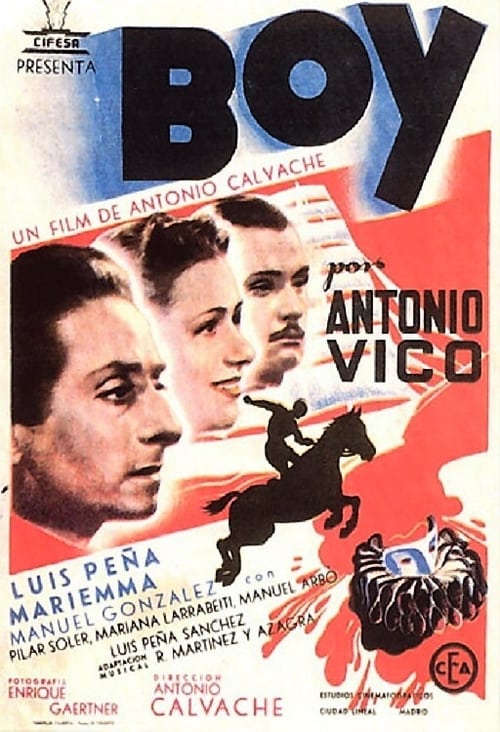
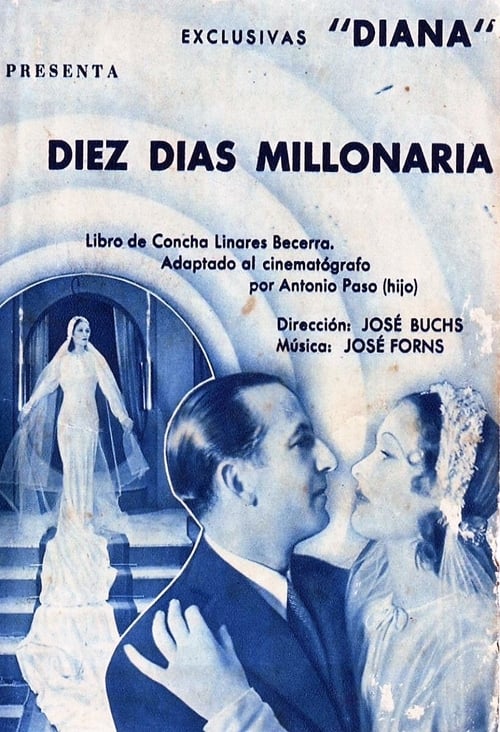
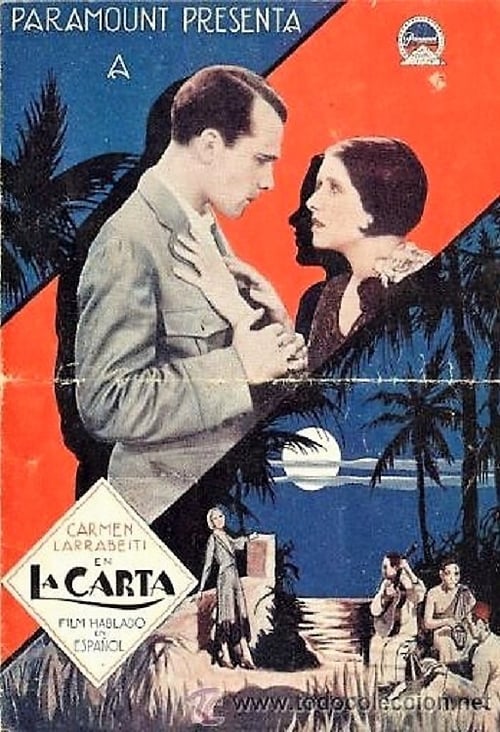
Notable films in his filmography include The Letter (1931), Diez días millonaria (1934), Boy (1940), and ¡Harka! (1941).
KNOWN FOR
YOUR COLLECTION
Sign in to see your collection status for this actor.