Marie Luise Droop Filmography
WritingBORN 1890STETTIN17 FILMS IN DB
ML
Marie LuiseDroop
Known for Writing · Crucified Girl, Die Reiter von Deutsch-Ostafrika
17
FILMS IN DB
$0
TOTAL VALUE
1
PRICED
—
AVG VALUE
4K
BEST FORMAT
💎
RAREST RELEASE
Crucified Girl
~$0 · 4K · 1929
📈
MOST VALUABLE
Crucified Girl
$0 · Est. market value
BIOGRAPHY
BORN
January 15, 1890
BIRTHPLACE
Stettin, Pomerania, Germany [now Szczecin, Zachodniopomorskie, Poland]
KNOWN FOR
Writing
TOTAL CREDITS
20 (TMDb)
IN WATCHROSTER DB
17 matched films
HIGHEST VALUE RELEASES
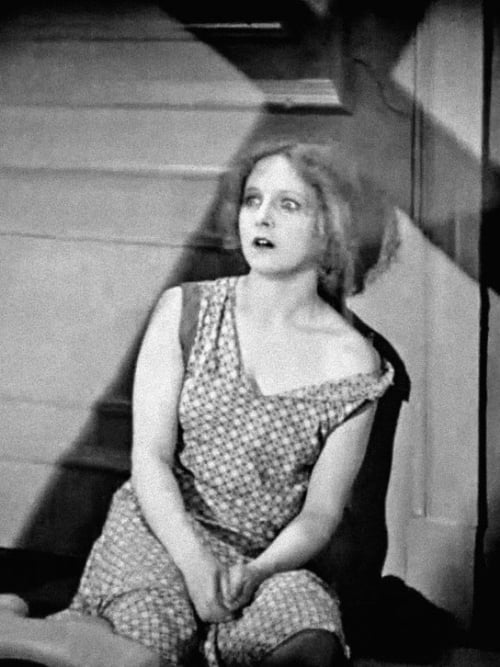
FILMS BY DECADE
FULL FILMOGRAPHY
17 filmsTITLE
YEAR
ROLE
FORMATS
RATING
VALUE
Die Drei um Christine
1936
Writer
—
—
+ TRACK
Die Reiter von Deutsch-Ostafrika
1934
Writer
★ 5.0
—
+ TRACK
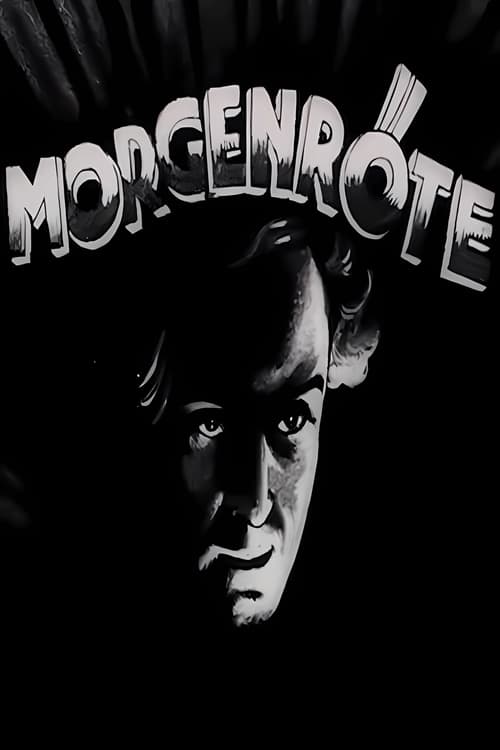
Morgenröte
1929
Writer
—
—
+ TRACK
Crucified Girl
1929
Writer
★ 7.0
—
+ TRACK
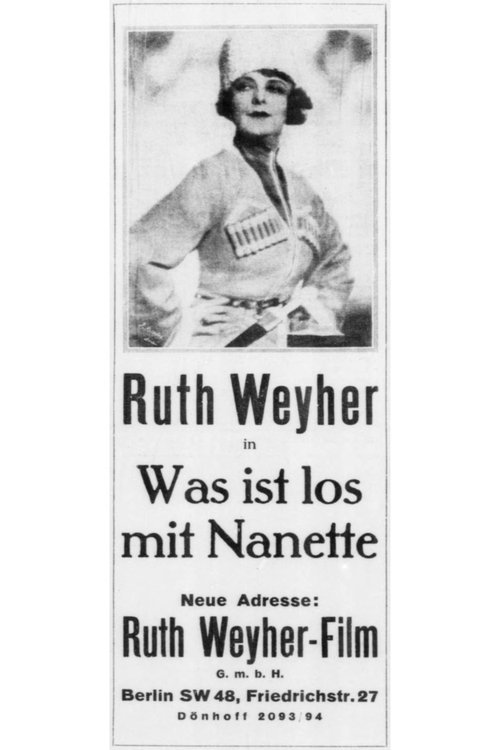
What's Up with Nanette?
1929
Writer
—
—
+ TRACK

German Women - German Faithfulness
1927
Writer
—
—
+ TRACK
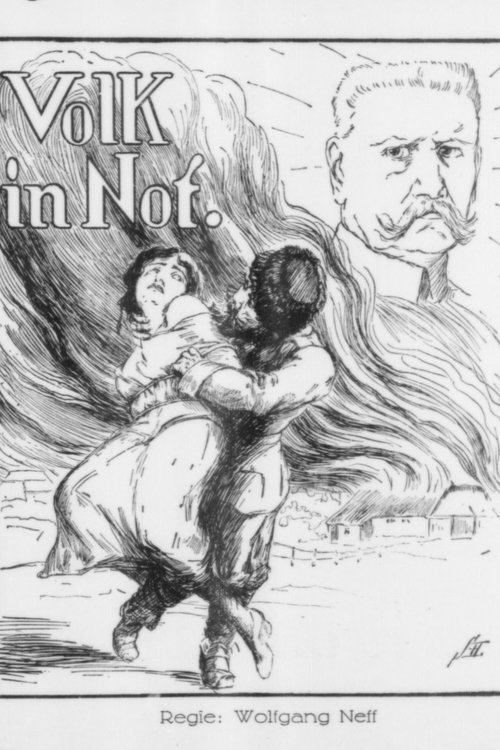
People in Need
1925
Writer
—
—
+ TRACK
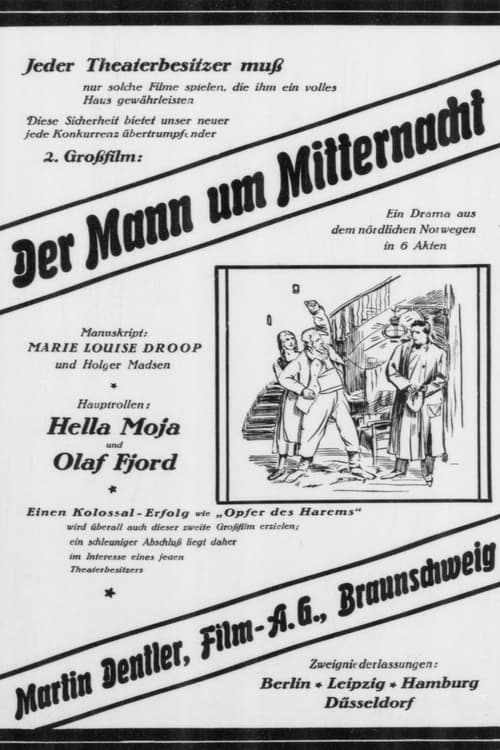
Der Mann um Mitternacht
1925
Writer
—
—
+ TRACK
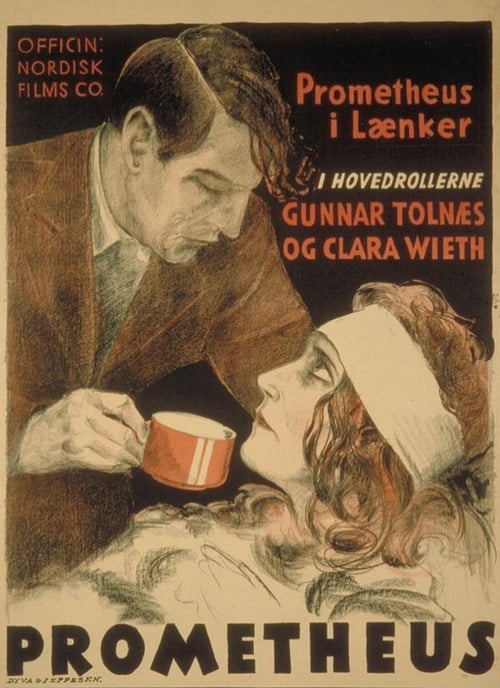
Prometheus
1921
Writer
—
—
+ TRACK
The Black Tulip Festival
1920
Producer
—
—
+ TRACK
Die Teufelsanbeter
1920
Director
—
—
+ TRACK
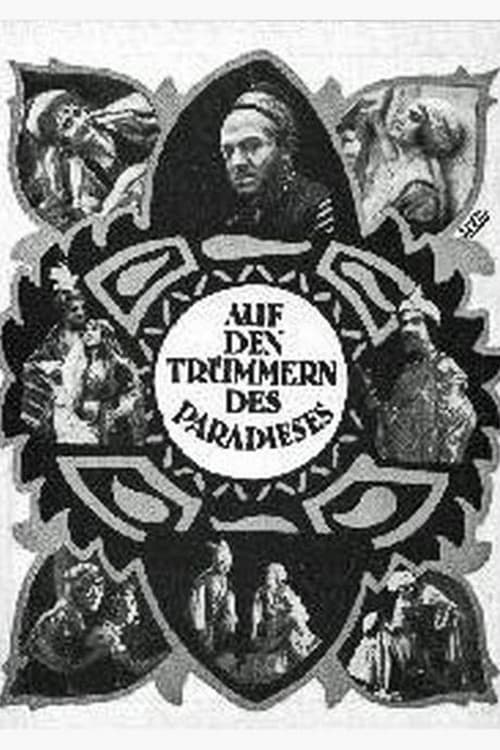
Auf den Trümmern des Paradieses
1920
Producer
—
—
+ TRACK
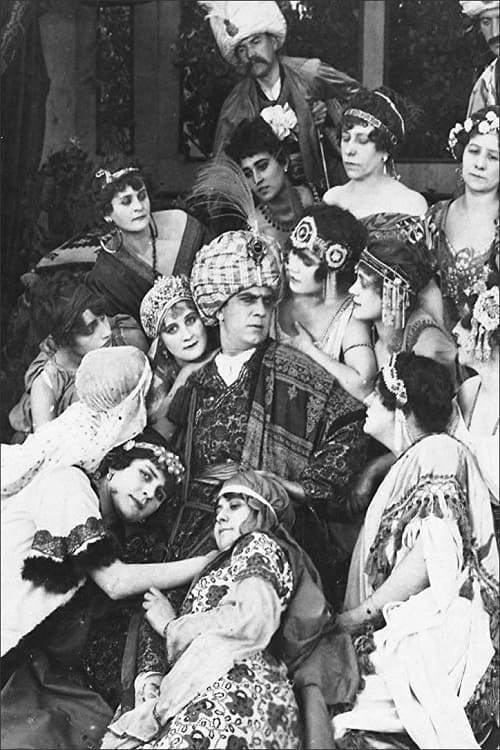
Caravan of Death
1920
Writer
—
—
+ TRACK
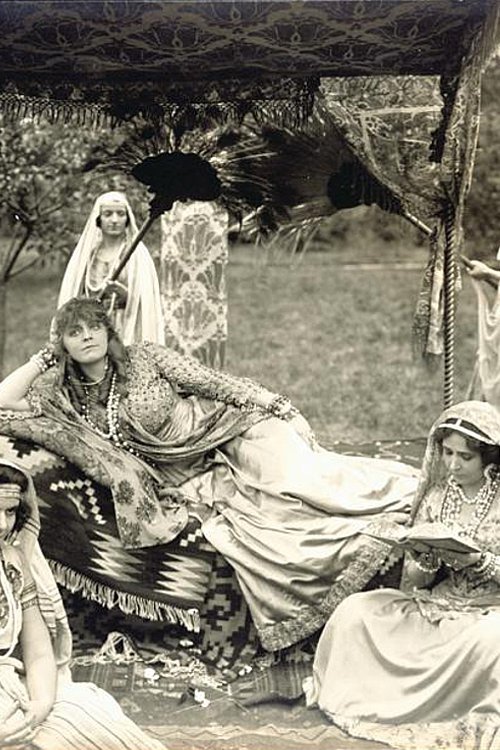
A Daughter of Brahma
1919
Writer
—
—
+ TRACK
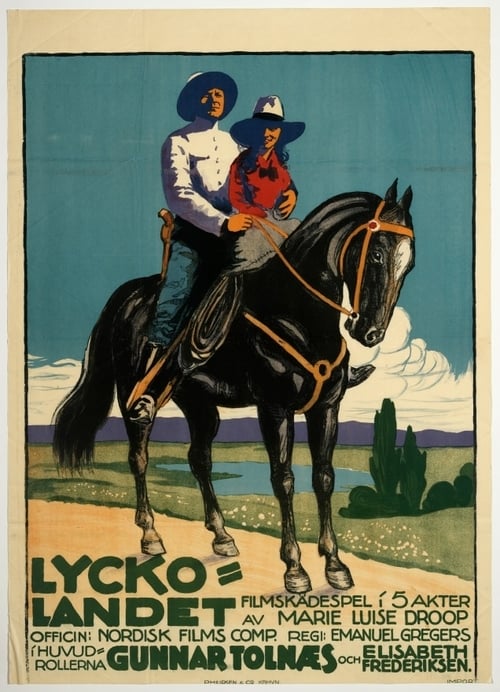
Lykkelandet
1919
Writer
—
—
+ TRACK
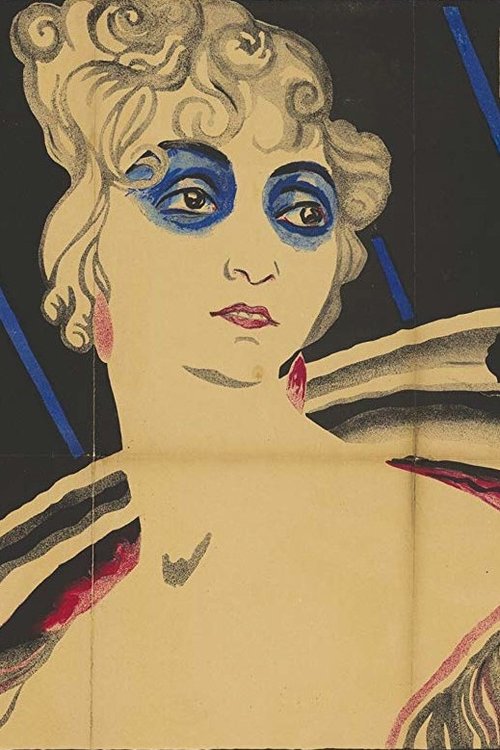
Siegerin Weib
1919
Writer
—
—
+ TRACK

Der siebente Kuß
1918
Writer
—
—
+ TRACK
FAQ
Frequently Asked Questions
What is Marie Luise Droop known for?
Marie Luise Droop is known for her work as a writer, with notable films including 'Die Drei um Christine' (1936) and 'What's Up with Nanette?' (1929).
What genres does Marie Luise Droop's filmography span?
Her filmography includes genres such as Drama, Comedy, Adventure, War, and History.
What era does Marie Luise Droop's work cover?
Her work spans from 1918 to 1936, with the most active decade being the 1920s.
How extensive is Marie Luise Droop's filmography?
Marie Luise Droop has worked on a total of 17 films.
What are some notable films written by Marie Luise Droop?
Some of her notable films include 'Caravan of Death' (1920), 'The Black Tulip Festival' (1920), and 'People in Need' (1925).
YOUR COLLECTION
Sign in to see your collection status for this actor.