Mitsuko Mitagawa Filmography
ActressBORN 19369 FILMS IN DB
MM
MitsukoMitagawa
Known for Acting · —
9
FILMS IN DB
$0
TOTAL VALUE
0
PRICED
—
AVG VALUE
—
BEST FORMAT
BIOGRAPHY
BORN
March 29, 1936
BIRTHPLACE
—
KNOWN FOR
Acting
TOTAL CREDITS
9 (TMDb)
IN WATCHROSTER DB
9 matched films
FILMS BY DECADE
FULL FILMOGRAPHY
9 filmsTITLE
YEAR
ROLE
FORMATS
RATING
VALUE

Tokyo Bus Girl
1958
Lead
—
—
+ TRACK
Why Cry
1958
Lead
—
—
+ TRACK
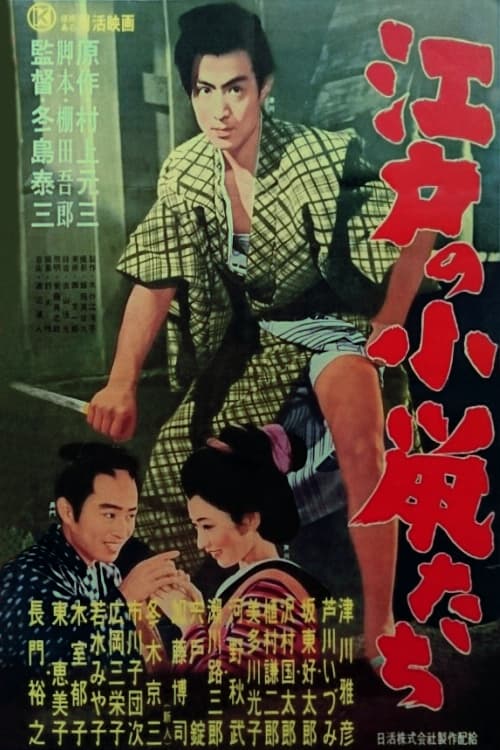
Small Rats of the Edo Town
Osayo
1957
Supporting
—
—
+ TRACK
Kingorô no omawari-san
1956
Lead
—
—
+ TRACK
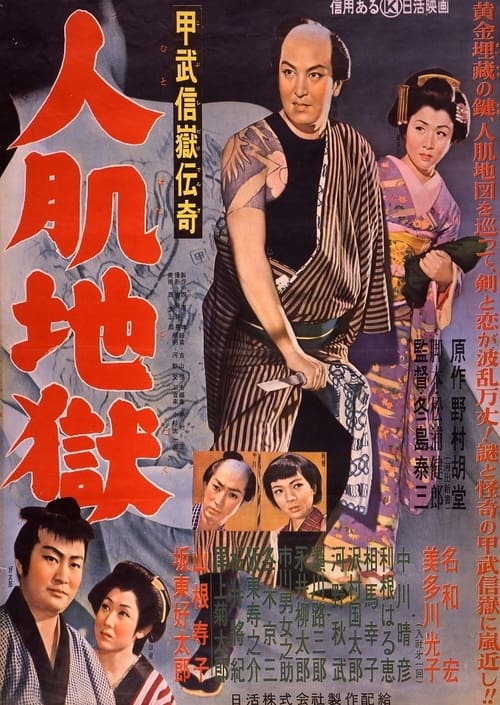
Kobushidake denki : hito hada jigoku
1956
Lead
—
—
+ TRACK
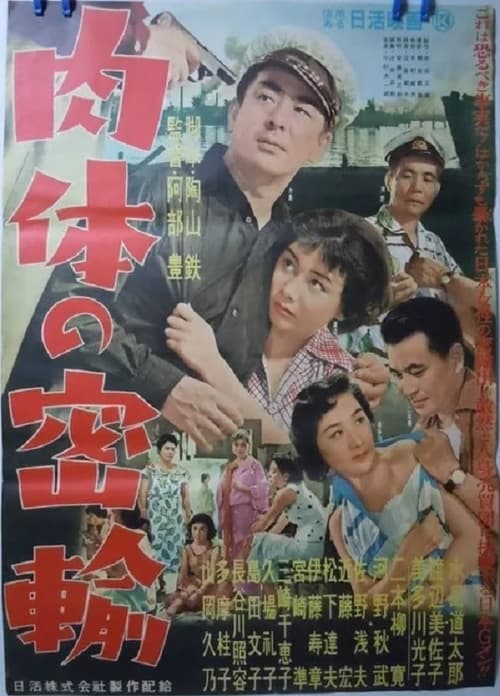
Flesh Smuggling
1956
Lead
—
—
+ TRACK

Kobushi dakedenki kettō jigoku
1956
Lead
—
—
+ TRACK
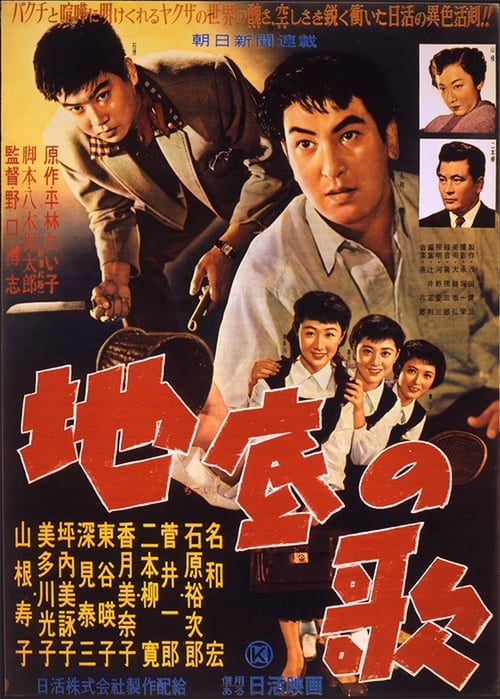
Song of the Underworld
Tokiko Izu
1956
Supporting
—
—
+ TRACK
Kobushidake denki
1956
Lead
—
—
+ TRACK
FAQ
Frequently Asked Questions
What is Mitsuko Mitagawa known for?
Mitsuko Mitagawa is known for her acting, particularly for her roles in films such as 'Small Rats of the Edo Town' (1957) as Osayo and 'Song of the Underworld' (1956) as Tokiko Izu.
What genres does Mitsuko Mitagawa's filmography span?
Her filmography spans the genres of drama, music, and history.
What era or decades does Mitsuko Mitagawa's work cover?
Mitsuko Mitagawa's work covers the years 1956 to 1958, with her most active decade being the 1950s.
How many films are in Mitsuko Mitagawa's filmography?
Mitsuko Mitagawa has a total of 9 films listed in her filmography.
What are some notable films in Mitsuko Mitagawa's filmography?
Notable films in Mitsuko Mitagawa's filmography include 'Kobushidake denki' (1956), 'Tokyo Bus Girl' (1958), and 'Why Cry' (1958).
KNOWN FOR
YOUR COLLECTION
Sign in to see your collection status for this actor.