Nami Kudô Filmography
NamiKudô
Known for Acting · Seifuku no zekkyô
BIOGRAPHY
FILMS BY DECADE
FULL FILMOGRAPHY
5 films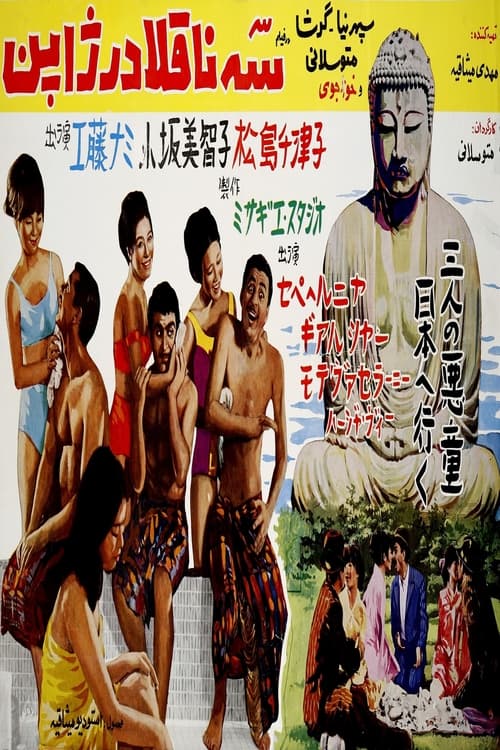
Frequently Asked Questions
What is Nami Kudô known for?
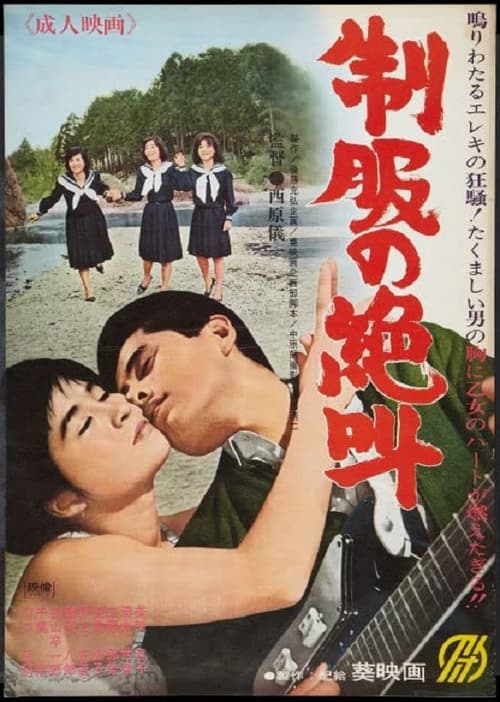
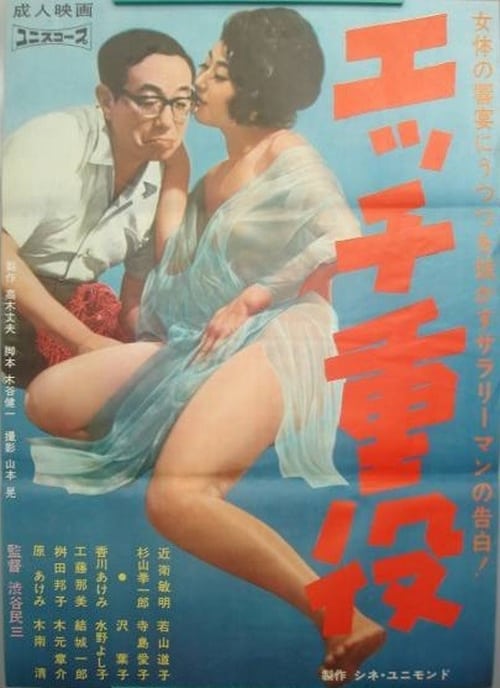
Nami Kudô is known for acting, particularly in films such as 'Se Naghola dar Japon' (1966) where she played the role of Geisha, 'Seifuku no zekkyô' (1966), 'Horny Exec' (1965), 'Chiko to iu onna: Kawai hada' (1965) as the Woman named Chiko, and 'Aiyoku no jû san kaidan' (1965).
What genres does Nami Kudô's filmography span?
Nami Kudô's filmography spans the comedy genre.
What era does Nami Kudô's work cover?
Nami Kudô's work covers the years from 1965 to 1966, with her most active decade being the 1960s.
How many films are in Nami Kudô's filmography?
Nami Kudô has a total of 5 films listed in her filmography.
What are some notable films Nami Kudô has appeared in?
Notable films Nami Kudô has appeared in include 'Se Naghola dar Japon' (1966), 'Seifuku no zekkyô' (1966), 'Horny Exec' (1965), 'Chiko to iu onna: Kawai hada' (1965), and 'Aiyoku no jû san kaidan' (1965).
KNOWN FOR
YOUR COLLECTION
Sign in to see your collection status for this actor.