Pythagoras Filmography
WritingBORN 19306 FILMS IN DB
P
Pythagoras
Known for Writing · Storm in a child's heart, Abduction, Every Port And Woe
6
FILMS IN DB
$0
TOTAL VALUE
0
PRICED
—
AVG VALUE
—
BEST FORMAT
BIOGRAPHY
BORN
April 12, 1930
BIRTHPLACE
—
KNOWN FOR
Writing
TOTAL CREDITS
6 (TMDb)
IN WATCHROSTER DB
6 matched films
FILMS BY DECADE
FULL FILMOGRAPHY
6 filmsTITLE
YEAR
ROLE
FORMATS
RATING
VALUE
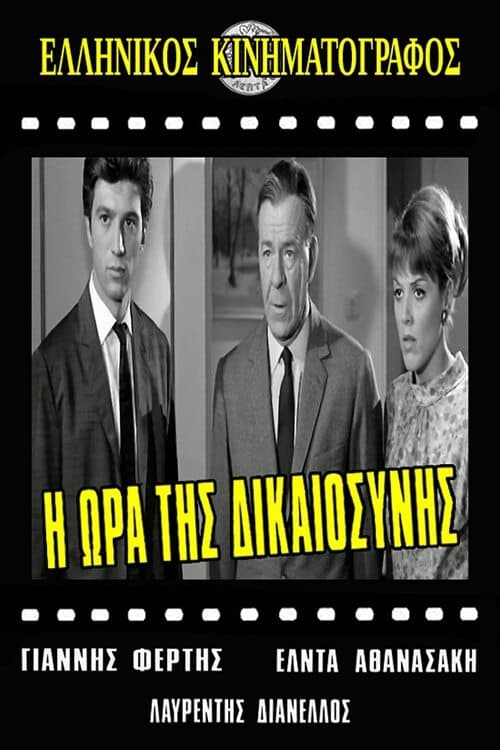


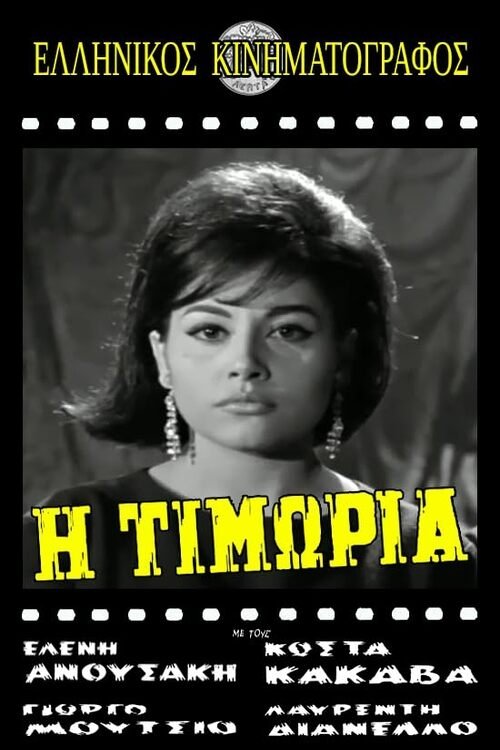
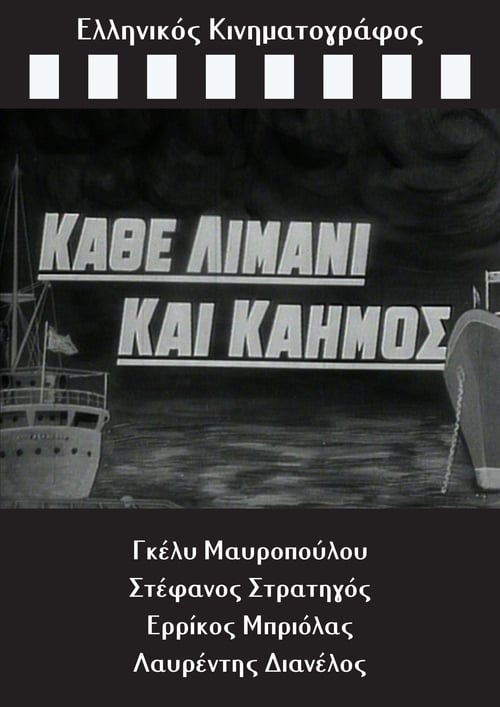
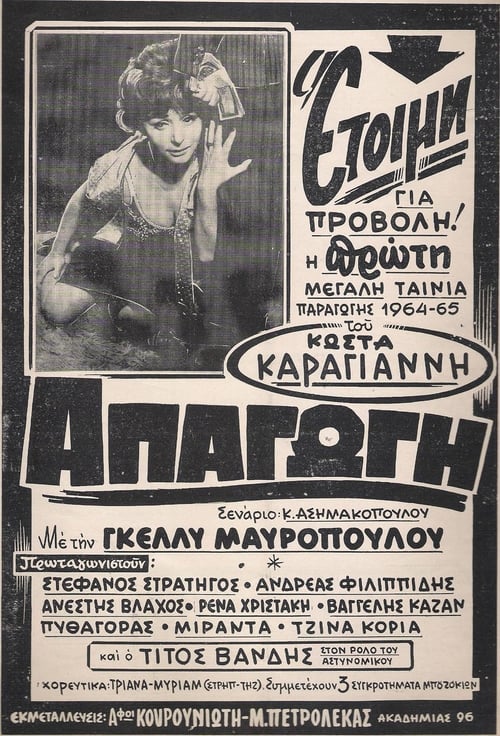
FAQ
Frequently Asked Questions
What is Pythagoras known for?
Pythagoras is known for writing, with notable films including 'Abduction' (1964), 'Τιμωρία' (1965), and 'Storm in a child's heart' (1965) where he played the role of Spyros.
What genres does Pythagoras's filmography span?
Pythagoras's filmography spans the genres of Drama, Romance, and Crime.
What era does Pythagoras's work cover?
Pythagoras's work covers the years from 1964 to 1967, with the most active decade being the 1960s.
How many films are in Pythagoras's filmography?
Pythagoras has a total of 6 films in his filmography.
What are some of the roles that Pythagoras has played in his films?
Pythagoras has played roles such as Spyros in 'Storm in a child's heart' (1965), Lefteris Markou in 'I'm not selling my heart' (1966), and Stelios Razis in 'Every Port And Woe' (1964).
YOUR COLLECTION
Sign in to see your collection status for this actor.