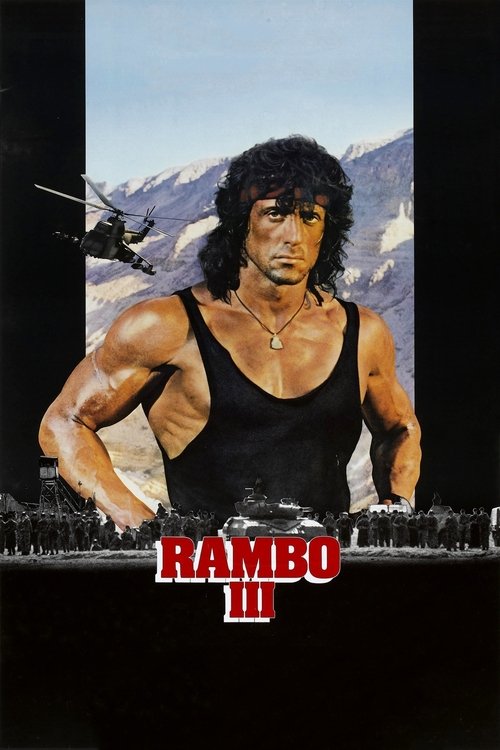
Rambo III
$14.994K UHD
Typical asking price
Low
$14.99
High
$14.99
Listings
1
Amazon and eBay links may be affiliate links.
Watch the trailer
About This Movie
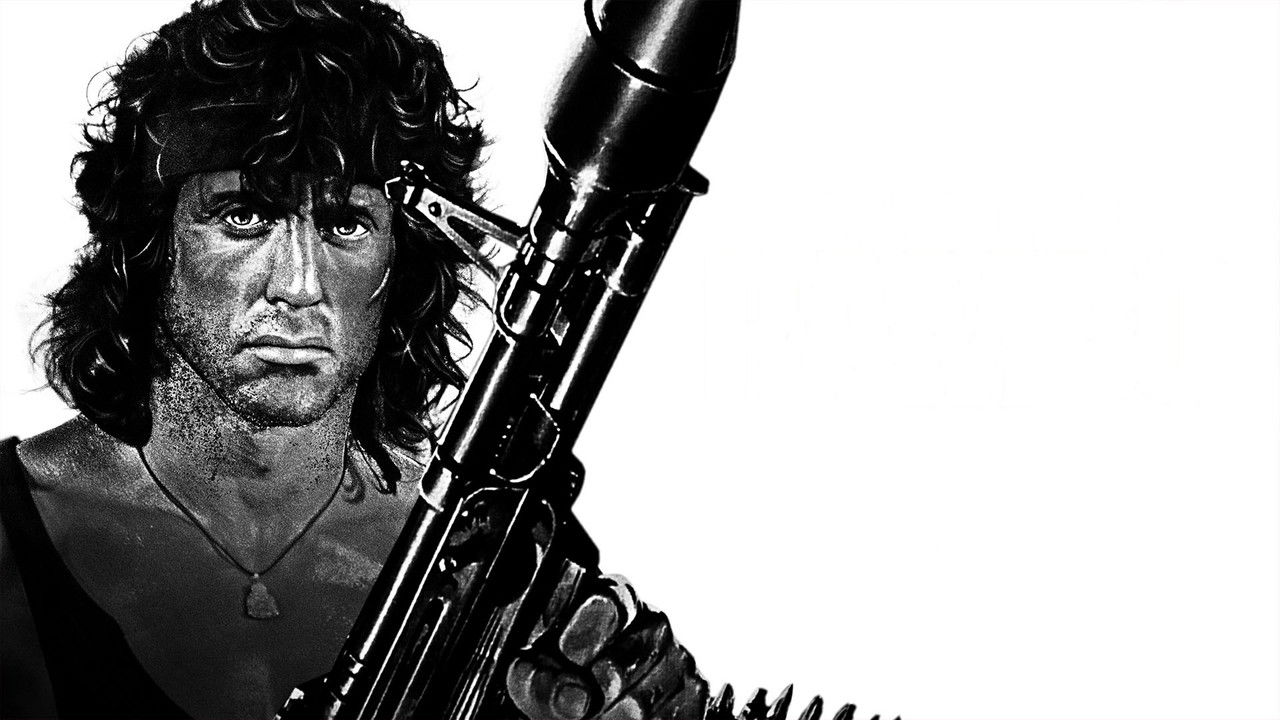
Rambo III (1988) is the third installment in the action-packed Rambo series starring Sylvester Stallone. Directed by Peter MacDonald, the film follows John Rambo as he ventures into Afghanistan to rescue his captured mentor, blending war, adventure, and thriller elements. It remains a notable entry in the 1980s action genre and the Rambo Collection.
Themes of inner conflict and loyalty are prominent. · Rich in practical effects typical of late 80s action films. · The film contrasts serene moments with high-octane action.
Market data
Updated 5mo ago
⚠ High value may reflect a sealed, signed, or rare variant copy.
VHS$7.9913 comps
DVD$6.8720 comps
Blu-ray$9.9513 comps
4K UHD$14.991 comps
Rambo III 4K UHD Value: $14.99
Where to stream Rambo III
Stream Now
Paramount Plus Essential
STREAMYouTube TV
STREAMStreaming data powered by JustWatch
Collector reviews
Have you seen this?
Rate it and share your take with other collectors.
Frequently Asked Questions
Why did Peter MacDonald direct Rambo III instead of the original directors?
Peter MacDonald, known for his work as a second unit director and cinematographer, took over directing duties for Rambo III, succeeding Ted Kotcheff and George P. Cosmatos, who directed the first two films respectively. This change brought a new visual approach while maintaining the franchise’s action focus.
Where was Rambo III filmed?
Rambo III was primarily filmed in Thailand, which stood in for Afghanistan’s mountainous terrain. The location provided a rugged backdrop suitable for the film’s depiction of guerrilla warfare during the Soviet–Afghan conflict.
How does Rambo III fit into the overall Rambo franchise?
As the third film in the series, Rambo III continues the story of John Rambo, exploring his evolution from a solitary survivalist to a warrior fighting for others. It expands on Cold War themes and solidifies Rambo’s role as a symbol of resistance and loyalty.
What physical media formats has Rambo III been released on?
Rambo III has been released on several physical formats including VHS, DVD, Blu-ray, and 4K Ultra HD. These various formats provide collectors with multiple options for owning and experiencing the film.
What is notable about the film’s depiction of the Soviet–Afghan War?
Rambo III portrays the Soviet–Afghan War through the lens of Western action cinema, focusing on the conflict’s impact on individual fighters and featuring the Mujahideen as freedom fighters. It reflects Cold War tensions prevalent during the film’s production in the late 1980s.
Discover